
Empower Lives with Heart
Person-centred PBS for children, teens and adults across Sydney and via telehealth Australia-wide. Practical, real results.

Immediate appointments
No waitlist
15 min
Free intro call
No paperwork to start

We accept PBS referrals now, with immediate appointments when behaviours affect safety or daily life.

English, Arabic and Mandarin-speaking practitioners help more families feel understood and supported from day one.

PBS plans informed by psychology, counselling and multidisciplinary insight.

Clinic at Campsie, home and school visits across Sydney, or telehealth Australia-wide.
We start with why a behaviour is happening, not just the behaviour itself. From assessment to a practical plan and hands-on training, we help your whole support team apply strategies that work in real life.
Understand: An assessment of triggers, unmet needs and what the behaviour communicates.
Plan & Train: A practical Behaviour Support Plan, plus coaching so family and support workers use it consistently.
Review: We track progress and adjust strategies as needs, routines and environments change over time.

PBS may help children, teens and adults living with disability when behaviours affect safety, wellbeing, learning, relationships or participation, at home, school or in the community.

Support for meltdowns, sensory needs, transitions and communication-related distress, built around the person.
Help with routines, communication, emotional regulation and skills to reduce behaviours of concern.
Strategies for impulsivity, focus, frustration and emotional regulation across daily settings.
Support for changes in behaviour, impulse control and emotional regulation after a brain injury.
Behaviour support for distress, withdrawal or risk linked to mental health, alongside other care.
Early behaviour support for young children to build skills and prevent escalation.
Trauma-informed strategies for behaviours linked to anxiety, fear or past experiences.
Support where limited communication leads to frustration or behaviours of concern.
1:1 support for complex, high-intensity behaviours, including restrictive practice reduction.
A psychology-led team bringing real clinical depth to behaviour support.







NDIS-registered provider delivering supports under the NDIS Practice Standards.
Behaviour support practitioners assessed as suitable by the NDIS Commission.
AHPRA-registered psychologists and allied health input across the team.
Trauma-informed, evidence-based practice aligned to the PBS Capability Framework.
EXCELLENTTrustindex verifies that the original source of the review is Google. I really enjoyed my time here. The company made me feel welcome, and the staff were friendly, helpful, and respectful. Everyone treated me with care, and the environment felt positive and comfortable. I appreciate the support and would happily come back again because of how well I was treated.Posted on GoogleTrustindex verifies that the original source of the review is Google. Professional, reliable and easy to work with. They communicate well and genuinely support participants. Highly recommended.Posted on GoogleTrustindex verifies that the original source of the review is Google. I have found Affective Care extremely helpful and accomodating with my clients they also Have one of the simplest referral processes and the therapist are easy to contactPosted on GoogleTrustindex verifies that the original source of the review is Google. We love collaborating with the therapists from Affective Care. This collaboration allows our staff to follow therapy routines ensuring consistency and ongoing progress. Affective Care Allied Health support services have made a huge difference in the daily lives of our mutual participants. Their team is professional, understanding and genuinely committed to helping partcipants reach their goals. Sibel Reagin Co-Founder and Director, Absolute Care Plus Founder and Director, The Phoenix SpectrumPosted on GoogleTrustindex verifies that the original source of the review is Google. Professional staff who are very knowledgeable and passionate about their workPosted on GoogleTrustindex verifies that the original source of the review is Google. The team at Affective Care are absolutely amazing. Jessica has been working with a fee of my participants and her work is second to none. Not only does she know her stuff, she's extreme passionate about advocating for her clients!Posted on GoogleTrustindex verifies that the original source of the review is Google. Joana OT has been friendly and caring working on my goals. I would recommend her.Posted on GoogleTrustindex verifies that the original source of the review is Google. Ali Bazzi has been the best Positive Behaviour Practitioner for my son. He always comes prepared with effective strategies and has guided me so well in managing behaviors. His support has truly made my life so much easier, and I feel more confident as a Mother because of his guidance. Ali is professional, caring, and dedicated. I couldn’t recommend him enough!
From assessment to training and review, we support the whole team, so strategies actually get used in everyday life.
A functional behaviour assessment to understand triggers, patterns and unmet needs.
A practical plan with proactive strategies, communication supports and safe responses.
Teaching new skills and coping strategies to reduce distress and behaviours of concern.
Coaching so families and carers feel confident using strategies at home.
Clear guidance so support workers apply the plan consistently across settings.
Ongoing review to update strategies as the person, routines and environment change.
Our PBS practitioners come to you at home, school or in the community where suitable.
We offer in-clinic, home and school visits across Sydney, plus secure telehealth anywhere in Australia.

Affective Care delivers behaviour support grounded in dignity, not control. We focus on understanding, communication, emotional safety and skill-building, so participants feel heard and families and teams feel confident.

We understand flexibility matters for busy families and teams.

Three steps from first enquiry to strategies your team can use.
You, your family or your support coordinator contact us to discuss PBS and NDIS funding.
We assess the behaviour and create a practical, person-centred Behaviour Support Plan.
We coach your team to use the plan, then review and adjust strategies as needs change.
Whether you’re a participant, family member, support coordinator or provider, we make PBS referrals simple. We’ll confirm suitability, appointment options and funding, then begin.
Fill in our short referral form or call us; we respond quickly and accept new participants now.



We know how exhausting behaviours of concern can be. We take time to understand your child or family member, then give you realistic strategies you can actually use, with support every step of the way.
Refer with confidence. We offer immediate appointments, clear referral pathways, NDIS-aware documentation and regular updates, so your participants get behaviour support without long waits.
Let’s build behaviour support that reduces distress and helps daily life feel more manageable. Talk to our team today immediate appointments, no waitlist.
Mon–Fri · 9am – 5pm · No waitlist
PBS is a person-centred, evidence-based approach that looks at why behaviours of concern happen, then builds practical strategies to reduce distress, teach new skills and improve quality of life, without punishment.
Often, yes. PBS is usually funded under Capacity Building: Improved Relationships, called Behaviour Support on newer PACE plans. It can cover assessment, plan development, training and reviews. We can help you check your plan.
PBS can support children, teens and adults living with disability who experience behaviours that affect safety, wellbeing, learning, relationships or participation at home, school or in the community.
A Functional Behaviour Assessment (FBA) works out why a behaviour happens. A Behaviour Support Plan (BSP) then sets out practical, proactive strategies and safe responses for the participant’s support team to use.
No. PBS doesn’t rely on punishment or control. It focuses on prevention, teaching skills, adjusting the environment and responding in ways that keep everyone safe while respecting the person’s rights and dignity.
There’s no waitlist. We’re accepting referrals now with immediate appointments for eligible participants. Call 1300 615 193 or make a referral and we’ll discuss next steps.
Yes. You can access PBS in our Campsie clinic, through home and school visits across Sydney, or via secure telehealth anywhere in Australia, whichever suits the participant best.
Restrictive practices limit a person’s freedom or movement, such as seclusion or restraint. PBS aims to safely reduce and, where possible, remove them by addressing the underlying causes of behaviour.
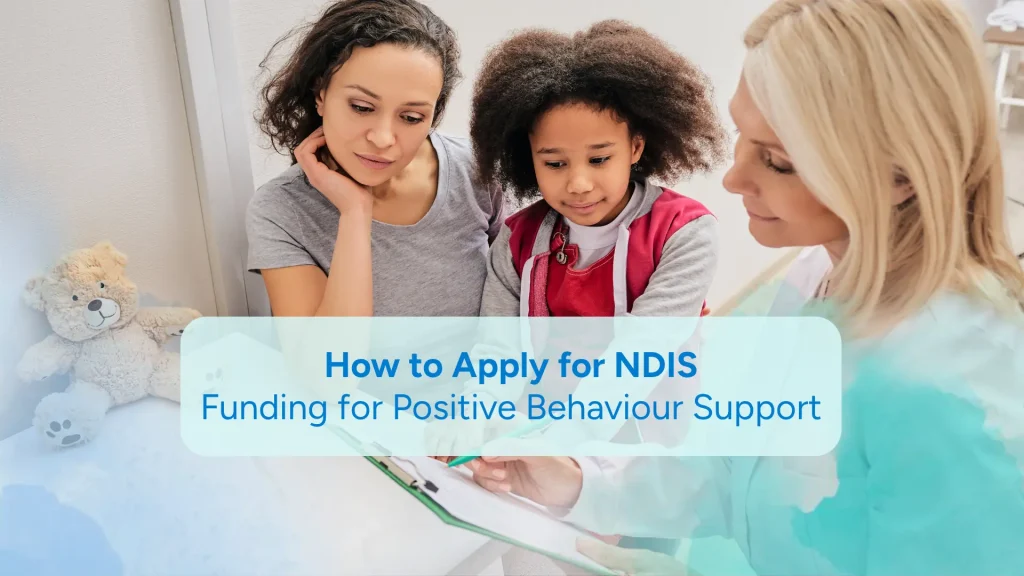
Applying for NDIS funding for Positive Behaviour Support can feel overwhelming, especially when behaviours are affecting safety, routines, relationships, learning, community access or daily life. Families, carers, support coordinators and participants may know that support is needed, but may not be sure what to ask for, what evidence to provide or where behaviour support fits within an NDIS plan. Positive Behaviour Support, often called PBS, is designed to understand why behaviours happen and […]
......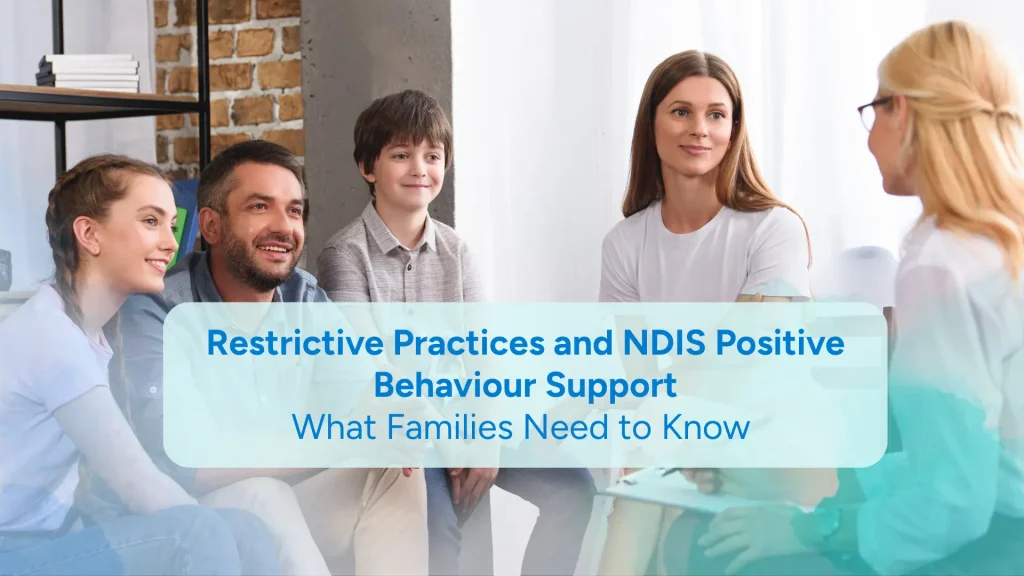
When families first hear the words restrictive practices, it can feel worrying. You may wonder what the term means, why it is being discussed and whether your loved one’s rights, dignity and safety are being protected. Restrictive practices and NDIS Positive Behaviour Support are closely connected because both relate to how a person living with disability is supported when behaviours of concern, […]
......Positive Behaviour Support (PBS) is more than just behaviour management; it’s a compassionate, evidence-based framework that helps people living with disability understand why behaviours occur, reduce distress, and build meaningful life skills. At its heart, PBS is about listening, learning and supporting individuals to live more fulfilling lives with dignity and choice.
Under the NDIS, PBS supports can be accessed when included in your plan under categories like Improved Relationships or Capacity Building. A PBS journey usually begins with a Functional Behaviour Assessment; this helps your behaviour support practitioner understand triggers, patterns and what motivates certain behaviours. What follows is a personalised Behaviour Support Plan co-designed with you, your family and support network.
Good PBS plans reduce behaviours of concern by teaching new, positive skills, adjusting environments, and building routines that support comfort and participation. Rather than focusing on control, PBS emphasises empowerment: encouraging people to communicate needs, connect with others, and pursue life goals.
PBS is more than behaviour management; it’s a framework that seeks to understand the purpose behind behaviour and build positive alternatives rooted in strengths and goals. For many, behaviours of concern aren’t symptoms to control but messages of unmet needs or distress. PBS practitioners use Functional Behaviour Assessments to uncover triggers and build tailored behaviour support plans that help individuals communicate needs, cope with challenges and engage more fully in community life.
You can also learn more about positive behaviour therapy, including how therapeutic strategies may support emotional regulation, communication, independence, and positive behaviour change over time.
Under the NDIS, PBS services are delivered by registered behaviour support practitioners who assess, plan, implement and review supports. This process usually starts with a Functional Behaviour Assessment followed by a comprehensive behaviour support plan co-designed with the participant, carers and support networks. These plans include proactive strategies; such as environmental adjustments and skill-building and reactive responses that support dignity and safety. Funding may come from Capacity Building or Improved Relationships budgets.
For many families and participants across Sydney — from Parramatta to Eastern Suburbs, from Bankstown to Northern Beaches — PBS offers reassurance, clarity and consistency. Instead of reactive responses, families learn structured ways to support their loved one’s needs. Carers are trained in strategies that reduce distress and promote positive routines. More importantly, participants often report improved confidence, communication and community participation as they build skills tailored to their goals and preferences.
To begin PBS in Sydney, discuss your needs with your NDIS planner or support coordinator. They can help include PBS funding in your plan. Once PBS is in your plan, a registered behaviour support practitioner can begin assessments and develop a tailored plan. The process prioritises collaboration, clear communication and regular review to ensure supports meet your changing needs.
PBS isn’t about controlling behaviour; it’s about improving quality of life through understanding, skills and supportive environments. Communities across Sydney are seeing more people living with disability engage confidently with family, school, work and community activities. With ongoing review and compassionate implementation, PBS supports not just behaviour change but deeper well-being, belonging and autonomy.
Choosing an NDIS provider is a big decision; it’s about finding a team that genuinely listens, respects your choices, and supports you to live life your way.
At Affective Care, we deliver emotionally centred, participant-first NDIS supports across Sydney, with a focus on trust, consistency, and real outcomes that matter in everyday life.
Here’s what sets us apart:
Emotionally Centred Support — we take time to understand what you need, not just what’s written in your plan.
Reliable, Skilled Team — supportive workers and practitioners who show up, communicate clearly, and build strong relationships.
Goals That Feel Real — we translate your NDIS goals into practical support that improves daily confidence and independence.
Flexible Support Across Sydney — support where you live and move, with local knowledge and responsive scheduling.
Respect, Dignity, Choice — you stay in control; we work alongside you and your support network, every step.
You may be eligible for Positive Behaviour Support (PBS) under the NDIS if you:
Are a current NDIS participant with an active plan.
Have identified needs related to behaviour that impacts daily life, relationships, learning or participation.
Require specialist behaviour support strategies to improve skills, reduce behaviours of concern, and support quality of life.
Need assessment and tailored planning to understand the function of behaviour and implement proactive supports.
PBS eligibility is based on your individual support needs — not age, diagnosis, or labels. It is prioritised when behaviour support aligns with your NDIS goals and when it will help increase participation, independence and wellbeing.
If you’re unsure whether PBS funding should be in your plan, your support coordinator, planner or Local Area Coordinator can help review your needs and advocate for PBS to be included in future NDIS plan reviews.
Applying for NDIS-funded Positive Behaviour Support (PBS) is a simple, step-by-step process designed to make sure your support matches your needs and goals:
Talk with Your Support Coordinator or Planner
Let your support coordinator or NDIS planner know that PBS support would help you or your family member achieve goals and reduce behaviours that limit participation.
Request PBS in Your NDIS Plan
Ask for PBS support to be included under relevant funding categories (often Capacity Building – Improved Relationships or related behaviour supports).
Provide Relevant Information
Share reports, observations, previous assessments and daily life examples that explain behaviour support needs.
NDIS Plan Approval
If PBS funding is included, your plan will be approved with an allocation for behaviour support services.
Connect with a Registered PBS Provider
Choose an NDIS-approved PBS provider (like Affective Care) and book your first session.
Assessment & Planning
A registered behaviour support practitioner will conduct a Functional Behaviour Assessment and co-design your PBS plan with you and your support network.
Implementation & Review
Begin implementing strategies; your provider will review goals and adjust supports over time to meet your changing needs.
If you’re not currently in the NDIS, start by checking eligibility and applying through the NDIS Access process — Local Area Coordinators and the NDIS helpline can support you through that step.
Positive Behaviour Support PBS — Immediate appointments. Sydney + telehealth