

Functional Behaviour Assessment (FBA) is a critical component of Positive Behaviour Support (PBS), providing the foundation for understanding and addressing challenging behaviours.
By identifying the triggers, motivations, and consequences of behaviour, FBA allows for the development of targeted and effective interventions that improve the individual’s quality of life.
For participants and families seeking local NDIS support, Affective Care provides Positive Behaviour Support in Sydney through a person-centred approach that works alongside the participant, family members, carers, and support teams.
What is a Functional Behaviour Assessment?
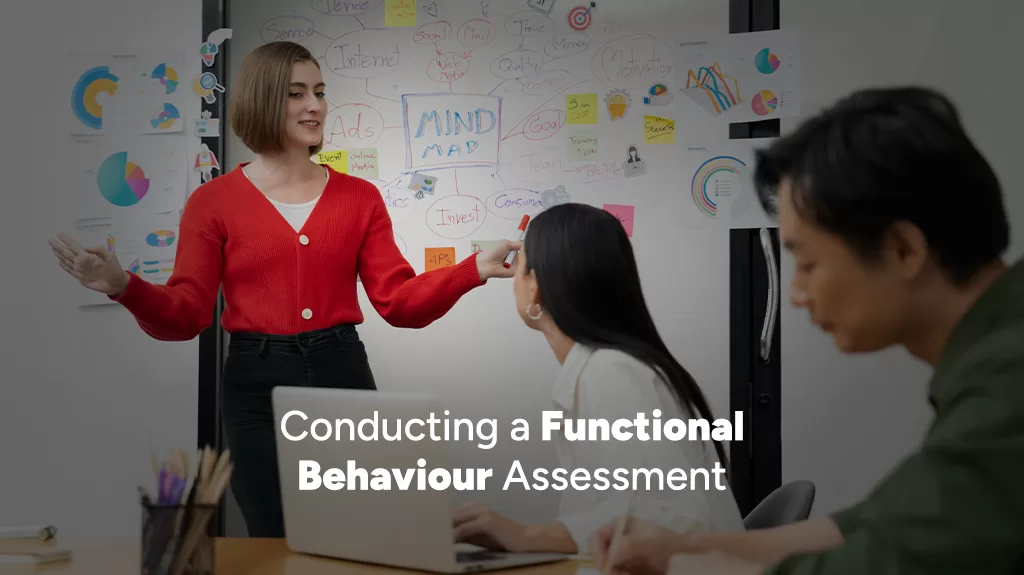
FBA is a systematic process used to identify the reasons behind challenging behaviours.
Assessment involves gathering data through observations, interviews, and analysis to understand the context in which the behaviour occurs.
This information is then used to develop hypotheses about the function of the behaviour and to create an intervention plan that addresses these underlying causes.
FBA also sits within the broader approach of positive behaviour therapy, where the goal is not simply to reduce behaviours of concern, but to understand the person’s needs and support them to build communication, emotional regulation, independence, and meaningful daily routines.
The Steps of a Functional Behaviour Assessment
- Identify the Behaviour: Clearly define the challenging behaviour that needs to be addressed. This might include aggression, self-injury, or disruptive behaviour.
- Gather Information: Collect data through observations, interviews with family members, carers, and educators, and review of relevant records. This helps to identify patterns and triggers.
- Analyze the Data: Identify the antecedents (what happens before the behaviour) and consequences (what happens after the behaviour) to understand what maintains the behaviour.
- Develop Hypotheses: Based on the data, develop hypotheses about the function of the behaviour. Common functions include seeking attention, avoiding tasks, or accessing preferred items.
- Test Hypotheses: Implement interventions based on the hypotheses and monitor the results to see if the behaviour changes as expected.
- Create a Behaviour Support Plan: Use the findings from the FBA to develop a comprehensive behaviour support plan that includes strategies for preventing the behaviour, teaching alternative skills, and modifying the environment.
The Importance of FBA in Positive Behaviour Support
FBA is essential because it provides a clear understanding of why challenging behaviours occur.
Without this understanding, interventions may be ineffective or even counterproductive.
FBA ensures that interventions are based on evidence and are tailored to the individual’s specific needs, increasing the likelihood of positive outcomes.
A Functional Behaviour Assessment is often one of the first steps in effective Positive Behaviour Support planning, because it helps practitioners understand what may be happening before, during, and after a behaviour. T
hese insights can then guide a practical Behaviour Support Plan that focuses on prevention, skill-building, environmental changes, and safer responses from the person’s support network.
How to Conduct an Effective FBA
Conducting an FBA requires training and expertise. At Affective Care, our team of professionals is skilled in conducting thorough FBAs that lead to successful intervention plans.
Contact us today to learn how we can help you implement FBA as part of your Positive Behaviour Support strategy.