

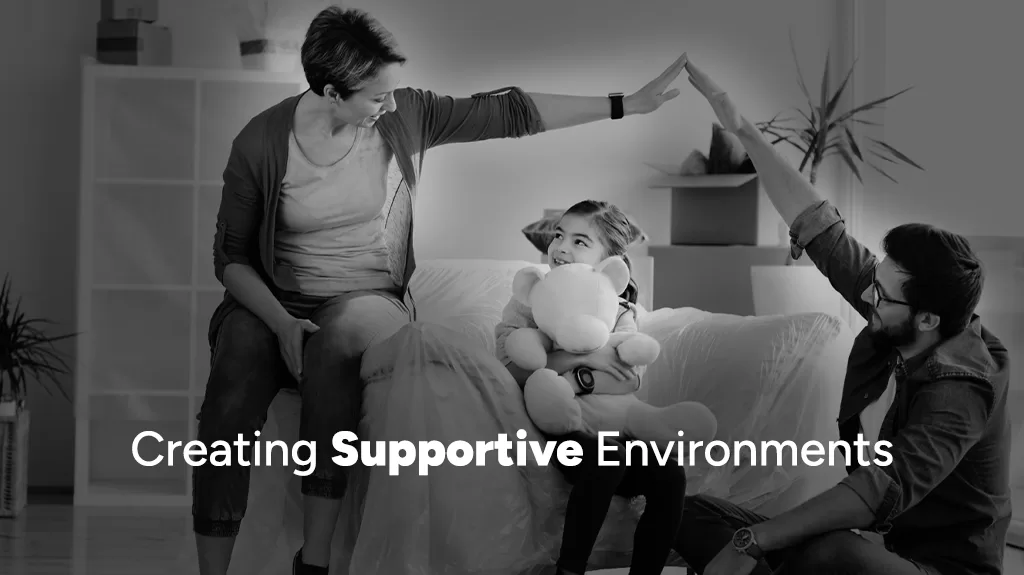
Environmental modifications are a critical aspect of Positive Behaviour Support (PBS).
By adjusting the physical and social environment, PBS aims to minimize triggers for challenging behaviours and create a more supportive setting that encourages positive change.
These modifications can range from simple changes in the home or classroom to more comprehensive alterations in routines and social interactions.
In addition, for local NDIS support, Affective Care provides Positive Behaviour Support in Sydney through a person-centred approach that helps participants, families, carers, and support teams create safer, more supportive daily environments.
Why Environmental Modifications Matter
Challenging behaviours often occur as a response to an environment that is not aligned with the individual’s needs.
By identifying and modifying these environmental factors, PBS can reduce the occurrence of these behaviours and promote a more positive and functional living or learning environment.
Moreover, creating supportive environments is an important part of Positive Behaviour Support planning, where strategies are developed around the person’s needs, routines, triggers, strengths, and support network to make everyday settings safer and more predictable.
Types of Environmental Modifications
- Physical Environment: Adjustments to the physical space, such as reducing clutter, minimizing sensory overload (e.g., bright lights or loud noises), and creating designated areas for specific activities.
- Social Environment: Modifications to social interactions, including establishing clear communication patterns, setting boundaries, and creating opportunities for positive social engagement.
- Routine and Structure: Implementing consistent routines and schedules that provide predictability and reduce anxiety or confusion. Visual schedules, timers, and clear instructions can help individuals understand what is expected of them.
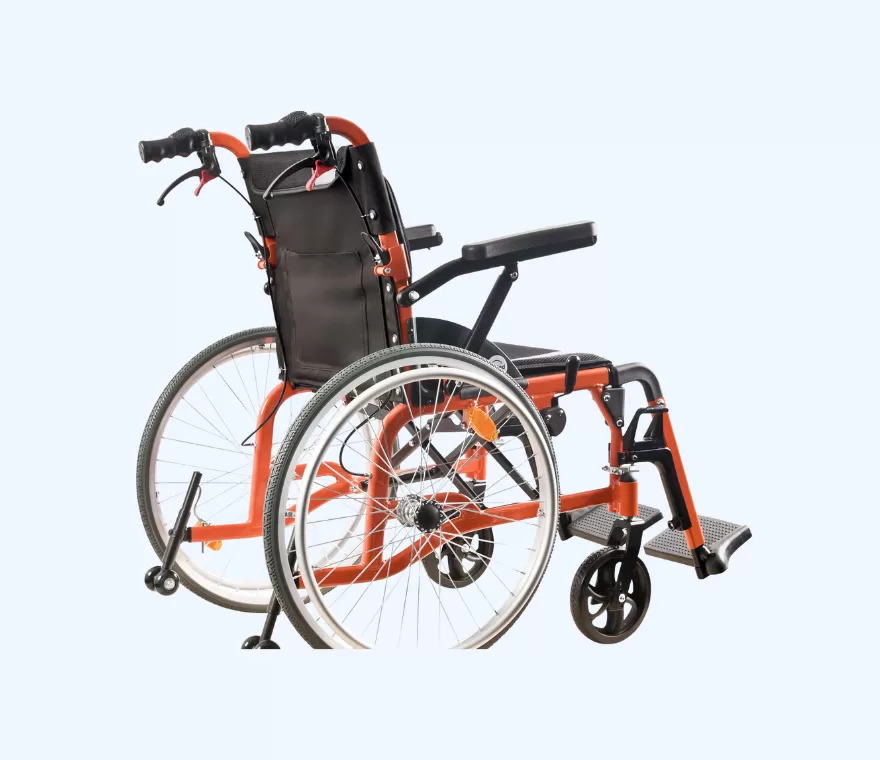
- Adaptive Equipment: The use of tools and devices that support independence, such as adaptive seating, communication aids, or sensory tools.
Moreover, supportive environments can reduce the need for restrictive responses, which is an important part of understanding restrictive practices in NDIS Positive Behaviour Support.
How Environmental Modifications are Implemented
Environmental modifications are typically identified during the Functional Behaviour Assessment (FBA) process.
The PBS plan then outlines specific changes that need to be made, and the support network works together to implement these modifications consistently across all settings.
Creating a supportive environment can reduce triggers and encourage positive participation, while enhancing communication skills through Positive Behaviour Support helps participants express their needs, choices and emotions more clearly.
The Benefits of Environmental Modifications
- Reduced Challenging Behaviours: By removing or minimizing triggers, environmental modifications can significantly reduce the occurrence of challenging behaviours.
- Increased Comfort and Security: A well-organized and predictable environment helps individuals feel more secure and in control, leading to reduced anxiety and frustration.
- Enhanced Learning and Engagement: A supportive environment encourages positive behaviours, making it easier for individuals to engage in learning and social activities.
- Related Element: Learn more about the impact of routine and structure on behaviour in our guide on Consistency in Positive Behaviour Support.
This environmental approach also connects closely with positive behaviour therapy, which focuses on understanding the reason behind behaviours of concern and supporting the person to build communication, emotional regulation, independence, and positive replacement skills.
How to Access Environmental Modification Services
At Affective Care, we work closely with families, carers, and educators to identify and implement effective environmental modifications as part of our Positive Behaviour Support services.
Contact us today to learn how we can help create a more supportive environment for positive change.