


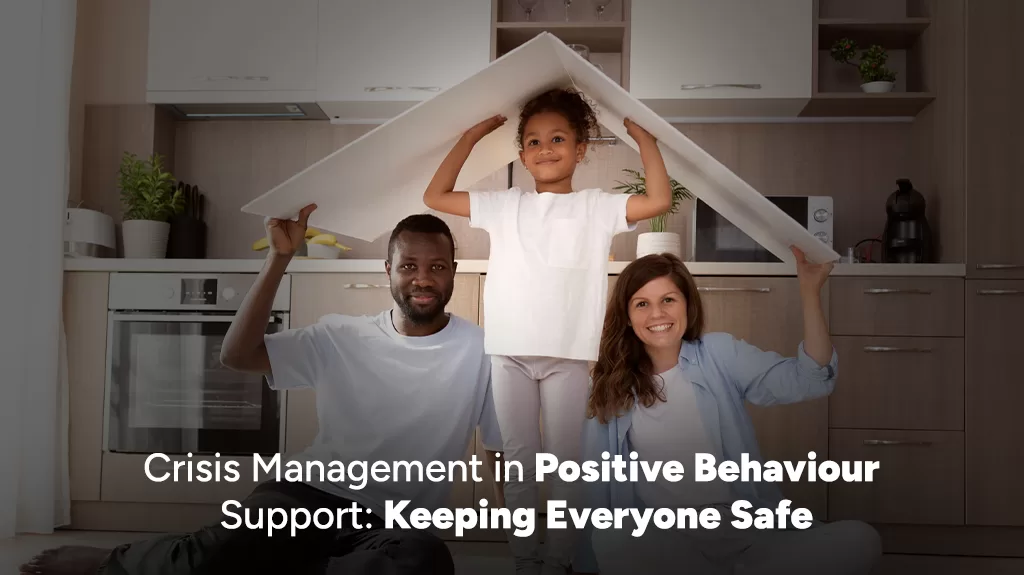
Crisis management is a crucial component of Positive Behaviour Support (PBS), focused on maintaining safety and dignity during challenging situations.
While the goal of PBS is to prevent crises by addressing the root causes of challenging behaviours, it is also essential to have a plan in place for managing situations when they escalate.
For local NDIS support, Affective Care provides Positive Behaviour Support in Sydney through a person-centred approach that supports participants, families, carers, and support teams to build safer, more consistent behaviour support strategies.
The Role of Crisis Management in PBS
Crisis management involves the use of pre-planned strategies to de-escalate challenging behaviours and prevent harm to the individual and others.
It is an essential part of a comprehensive PBS plan, ensuring that everyone involved knows how to respond effectively and safely.
Crisis management is an important part of Positive Behaviour Support planning, where proactive strategies are developed to reduce risk, identify early warning signs, support safer responses, and help everyone involved understand their role during difficult moments.
Key Components of Crisis Management in PBS
De-Escalation Techniques
These include verbal and non-verbal strategies to calm the individual and reduce the intensity of the situation.
Examples include using a calm tone of voice, offering choices, and providing space.
Safety Protocols
Establish clear safety protocols that outline steps to take if the individual or others are at risk of harm.
This might include removing potentially dangerous objects, positioning oneself in a non-threatening manner, and ensuring an easy exit route.
Post-Crisis Support
After a crisis, it is important to provide emotional support to the individual and any others involved.
This might include discussing what happened, identifying triggers, and reviewing the PBS plan to prevent future crises.
Documentation and Review
Documenting the incident is crucial for understanding what led to the crisis and how it was managed. Regularly reviewing these incidents helps refine the PBS plan and improve future responses.
Moreover, Crisis management strategies can help protect participants, families and support teams during challenging situations, while enhancing communication skills through Positive Behaviour Support may reduce distress and support safer ways to express needs.
Training for Crisis Management
Effective crisis management requires training for all members of the individual support network.
This training should cover the specific strategies outlined in the PBS plan, ensuring that everyone knows how to respond consistently and safely.
This also connects closely with positive behaviour therapy, which focuses on understanding the needs behind behaviours of concern and teaching safer ways to communicate, regulate emotions, and respond to stress before situations escalate.
The Benefits of a Crisis Management Plan
- Increased Safety: A well-structured crisis management plan helps protect both the individual and those around them, reducing the risk of injury or harm.
- Improved Confidence: Knowing how to handle a crisis can reduce anxiety for carers, family members, and the individual, leading to better outcomes.
- Enhanced Stability: By managing crises effectively, the overall stability of the individual’s environment is improved, making it easier to implement other aspects of the PBS plan.
Moreover, during a crisis, safety is the priority, but ongoing support should also consider whether any response may become a regulated restriction. Learn more in our guide to restrictive practices in Positive Behaviour Support.
How to Access Crisis Management Training and Support
At Affective Care, we provide comprehensive training and support for crisis management as part of our Positive Behaviour Support services in Sydney.
Contact us today to learn more about how we can help you develop and implement an effective crisis management plan.