

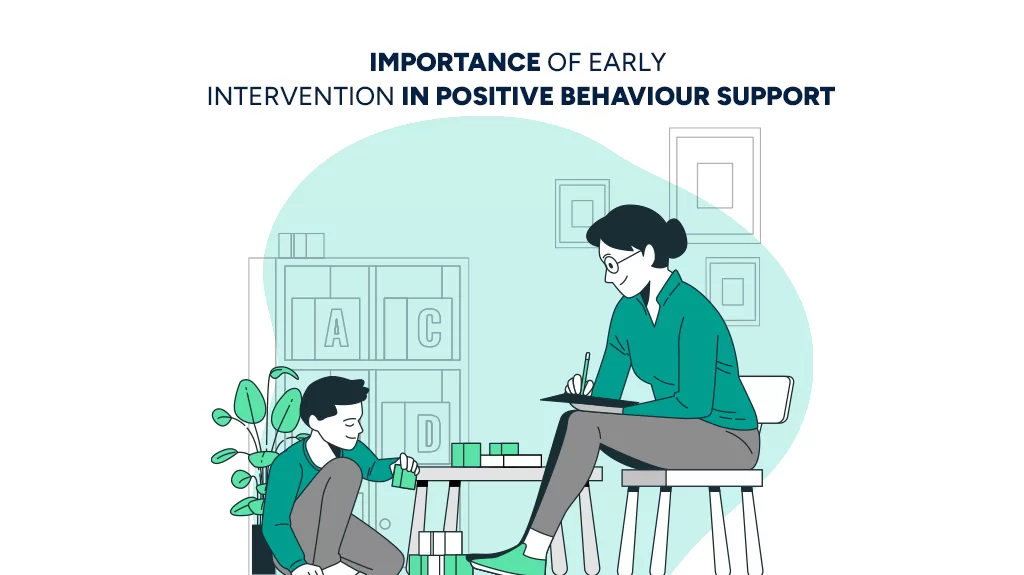
Early intervention is a critical component of Positive Behaviour Support (PBS), particularly for children with developmental disabilities, behavioural disorders, or mental health conditions.
By addressing challenging behaviours and developmental delays as early as possible, early intervention can significantly improve long-term outcomes, leading to better communication, social skills, and emotional well-being.
This blog will discuss the importance of early intervention in PBS, the benefits it offers, and how it can set the foundation for a brighter future.
Why Early Intervention Matters
The Impact of Early Development
The early years of a child’s life are a period of rapid growth and development, both physically and mentally.
During this time, the brain is highly plastic, meaning it is more receptive to learning and change.
This makes early intervention particularly effective, as it can influence the development of crucial skills and behaviours that will affect the child’s life long-term.
Preventing the Escalation of Challenging Behaviours
Challenging behaviours that are not addressed early can become entrenched, making them more difficult to change as the child grows older.
Early intervention aims to prevent these behaviours from becoming habitual by addressing the underlying causes and teaching alternative, positive behaviours.
Building a Strong Foundation for Future Learning
Early intervention helps children develop the foundational skills they need for future learning, such as communication, social interaction, and emotional regulation.
These skills are essential for success in school and beyond, and early intervention ensures that children have the best possible start.
Long-Term Benefits of Early Intervention
Research has shown that early intervention can lead to better long-term outcomes in various areas, including academic achievement, social skills, and mental health.
Children who receive early intervention are more likely to develop the skills they need to live independently and participate fully in society.
Early intervention can help identify communication and behavioural needs before challenges become more established, while enhancing communication skills through Positive Behaviour Support supports clearer expression, stronger relationships and greater independence.
Key Components of Early Intervention in PBS
Comprehensive Assessments
The first step in early intervention is conducting a comprehensive assessment to identify the child’s strengths, needs, and the factors contributing to challenging behaviours.
This may include developmental assessments, Functional Behaviour Assessments (FBA), and input from parents, carers, and educators.
Personalised Intervention Plans
Based on the assessment, a personalised Positive Behaviour Support planning is developed. This plan includes specific goals, strategies for achieving those goals, and methods for monitoring progress.
The plan is tailored to the child’s unique needs and is designed to be flexible, allowing for adjustments as the child grows and develops.
Collaboration with Families and Educators
Early intervention is most effective when it involves collaboration between families, educators, and professionals.
By working together, these stakeholders can ensure that the PBS plan is implemented consistently across all environments where the child spends time, such as home, school, and community settings.
Skill-Building and Positive Reinforcement
Early intervention focuses on building the child’s skills in key areas such as communication, social interaction, and emotional regulation.
Positive reinforcement is used to encourage desirable behaviours and motivate the child to continue learning and growing.
Ongoing Monitoring and Adaptation
As the child progresses, the PBS plan is regularly reviewed and adjusted to ensure that it continues to meet the child’s needs.
This ongoing monitoring is essential to the success of early intervention, as it allows for timely adjustments to the plan as the child’s needs change.
The Benefits of Early Intervention in PBS
Improved Communication and Social Skills
Early intervention helps children develop critical communication and social skills, which are essential for interacting with others and forming meaningful relationships.
By addressing communication challenges early, children are better equipped to express their needs, understand social cues, and engage in positive social interactions.
Reduced Behavioural Challenges
By identifying and addressing the root causes of challenging behaviours, early intervention can significantly reduce the frequency and severity of these behaviours.
This not only improves the child’s quality of life but also reduces stress for families and carers.
Enhanced Emotional Regulation
Children who receive early intervention are better able to regulate their emotions, reducing the likelihood of meltdowns, tantrums, and other behaviour-related issues.
Emotional regulation is a key component of overall well-being and is essential for success in school and social situations.
Greater Independence and School Readiness
Early intervention helps children develop the skills they need to become more independent and ready for school.
This includes not only academic skills but also social and self-care skills, such as following instructions, taking turns, and managing personal hygiene.
Case Study
Lily, a 3-year-old girl with developmental delays, struggled with communication and social interaction.
Through early intervention, which included speech therapy, social skills training, and positive reinforcement, Lily made significant progress.
By the time she entered kindergarten, she was able to communicate effectively with her peers and teachers, participate in group activities, and manage her emotions.
Her early intervention set the stage for a successful transition to school and continued development.
Challenges and Considerations in Early Intervention
Identifying the Need for Early Intervention
One of the challenges in early intervention is identifying the need for it. Parents, carers, and educators must be vigilant in observing the child’s behaviour and development and be willing to seek help if they notice delays or challenges.
Early intervention is most effective when started as soon as possible, so it’s important to act quickly if concerns arise.
Access to Resources and Support
Access to early intervention services can vary depending on location, availability of resources, and the family’s financial situation. It’s important for families to be aware of the resources available to them and to advocate for their child’s needs.
Consistency in Implementation
For early intervention to be effective, it must be implemented consistently across all settings. This requires strong communication and collaboration between families, educators, and professionals.
Inconsistencies in the application of strategies can hinder progress and reduce the effectiveness of the intervention.
Parental Involvement and Education
Parents and carers play a crucial role in early intervention, but they may need support and education to implement strategies effectively.
Providing parents with the knowledge and tools they need is essential for the success of the intervention.
Families looking for early behaviour support may also want to consider an NDIS provider in Campsie with local therapy and behaviour support options.
Real-World Applications of Early Intervention
Case Study 1:
A Toddler with Autism Spectrum Disorder (ASD)
Ethan, a 2-year-old boy with ASD, exhibited delayed speech and frequent tantrums.
His parents sought early intervention services, including speech therapy, occupational therapy, and a personalised PBS plan. Over the next year, Ethan’s communication skills improved significantly, and his tantrums decreased.
By the time he entered preschool, he was able to interact more positively with his peers and participate in classroom activities.
Through positive behaviour therapy, participants and families can access practical strategies early, before behaviours become harder to support.
Case Study 2:
A Child with Developmental Delays
Sophia, a 4-year-old girl with developmental delays, struggled with social interaction and self-care skills.
Through early intervention, including social skills training and occupational therapy, Sophia learned to interact with her peers, follow routines, and manage her personal hygiene.
Her progress was so significant that she was able to transition to a mainstream kindergarten with minimal support.
The Future of Early Intervention in PBS
Innovations in Early Intervention:
As research and technology continue to advance, new methods and tools for early intervention are being developed.
These innovations include the use of digital assessments, teletherapy, and virtual reality to enhance the effectiveness of early intervention strategies.
The Role of Technology:
Technology is playing an increasingly important role in early intervention, providing new ways to assess, monitor, and support children’s development.
For example, apps and online platforms are being used to track progress, deliver therapy sessions, and provide parents with resources and guidance.
Expanding Access to Early Intervention:
Efforts are being made to expand access to early intervention services, particularly in underserved communities.
This includes increasing funding for early intervention programs, training more professionals in PBS, and raising awareness of the importance of early intervention.
FAQ Section:
Q1: What is the ideal age to start early intervention in PBS?
Early intervention is most effective when started as soon as developmental delays or challenging behaviours are identified. This can be as early as infancy or toddlerhood, depending on the child’s needs.
Q2: How can I tell if my child needs early intervention?
Signs that your child may benefit from early intervention include delayed speech or language development, difficulty with social interactions, frequent tantrums or meltdowns, and challenges with self-care skills. If you have concerns, it’s important to seek an assessment from a qualified professional.
Q3: Can early intervention prevent the need for special education services later on?
Early intervention can significantly reduce the need for special education services by addressing developmental delays and challenging behaviours early. However, some children may still require additional support as they grow, and early intervention can help ensure they receive the appropriate services.
“Early intervention is the key to unlocking a child’s potential and setting them on a path to success.” – Affective Care