


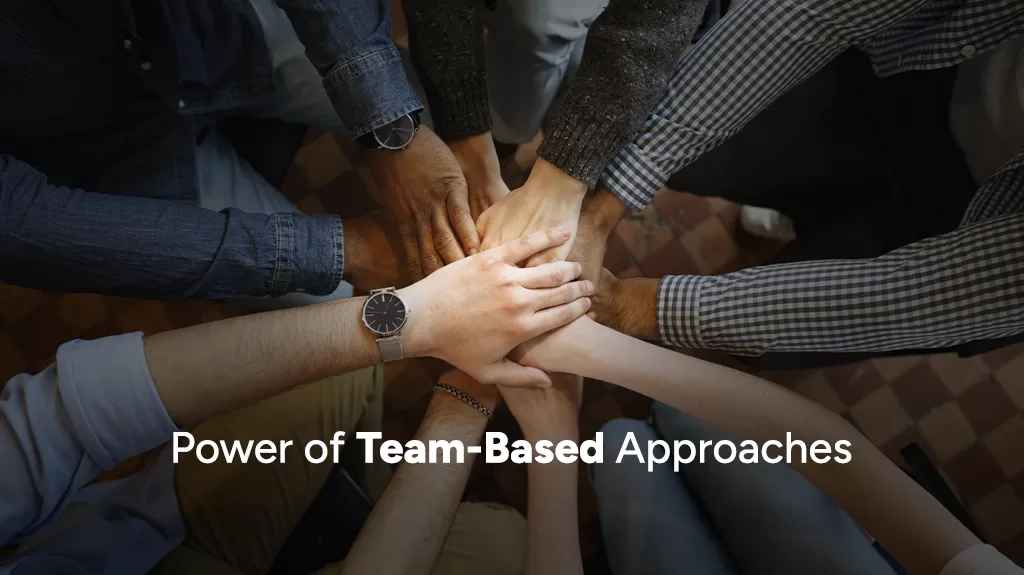
Positive Behaviour Support (PBS) is most effective when it involves a collaborative, team-based approach.
By bringing together the expertise of professionals, the insights of family members, and the daily support of carers, PBS creates a unified strategy that is more likely to lead to positive outcomes.
Why Team-Based Approaches are Essential in PBS
Challenging behaviours are often complex and influenced by multiple factors, making it essential to approach PBS from a multidisciplinary perspective.
A team-based approach ensures that all aspects of the individual’s life are considered, leading to a more comprehensive and effective support plan.
Team-based approaches can strengthen Positive Behaviour Support planning by bringing together families, practitioners and support teams around shared strategies.
The Key Members of a PBS Team
- Speech-Language Pathologists (SLPs): SLPs contribute their expertise in communication development, helping to address any speech and language challenges that may be influencing behaviour.
- Occupational Therapists (OTs): OTs focus on sensory processing, daily living skills, and environmental modifications that can support positive behaviour change.
- Psychologists: Psychologists provide insight into the emotional and cognitive factors that contribute to challenging behaviours, offering strategies for emotional regulation and behavioural interventions.
- Family Members and Carers: Those who know the individual best are essential team members, offering invaluable insights into the individual’s preferences, triggers, and daily routines.
- Educators and Support Workers: For individuals in school or supported living environments, educators and support workers play a key role in implementing the PBS plan consistently across different settings.
Through positive behaviour therapy, participants can be supported with practical strategies that are understood and used consistently by the people around them.
How to Facilitate Effective Team Collaboration
- Regular Team Meetings: Holding regular meetings ensures that all team members are up to date on the individual’s progress and any changes to the PBS plan.
- Clear Communication Channels: Establishing clear communication channels, such as email groups or shared online platforms, helps team members stay connected and informed.
- Shared Goals and Responsibilities: Clearly defining the roles and responsibilities of each team member ensures that everyone understands their part in implementing the PBS plan.
- Ongoing Training and Support: Providing training for all team members ensures that everyone is equipped with the skills and knowledge needed to implement the PBS plan effectively.
Team-based care is also important in NDIS for children and young people, where therapists, educators, carers and support providers may work together around the child’s needs.
The Benefits of a Team-Based Approach
- Holistic Care: A team-based approach ensures that all aspects of the individual’s life are considered, leading to more comprehensive and effective support.
- Consistent Implementation: Collaboration among team members ensures that the PBS plan is implemented consistently across all environments, leading to more stable and predictable outcomes.
- Improved Problem-Solving: With multiple perspectives, the team is better equipped to identify challenges and develop creative solutions.
A team-based approach brings families, practitioners and support workers together to apply consistent strategies, while enhancing communication skills through Positive Behaviour Support helps participants express their needs and engage more confidently across different settings.
How to Build an Effective PBS Team
At Affective Care, we believe in the power of collaboration.
Families, carers and support coordinators looking for team-based behaviour support can explore Positive Behaviour Support in Sydney to learn how Affective Care supports eligible NDIS participants.
Our team works closely with families, carers, and other professionals to create a cohesive and effective support network.
Contact us today to learn how we can help you build a strong PBS team.