

Understanding NDIS-funded Social & Community Support Services
Navigating the National Disability Insurance Scheme (NDIS) can be overwhelming, especially for individuals who require social and community support services. The NDIS funds a range of services to support people with disabilities live their everyday life activities and participate fully in their communities. However, the process of accessing and understanding the range of NDIS-funded support services can be frustrating for NDIS participants, support coordinators, or local area coordinators (LAC). In this article, we’ll explore what NDIS-funded social and community support services are, how they work and who they are designed for.
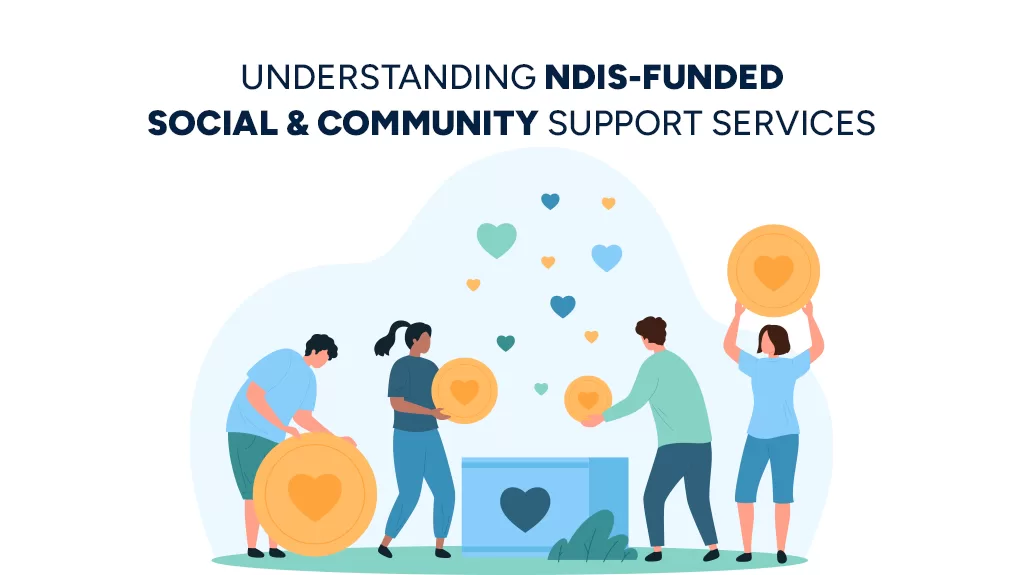
NDIS-funded social and community support services are specifically tailored to support eligible NDIS participants with disability to access social and community activities. These services are designed to help NDIS participants engage with the broader community, develop their skills, and improve their overall quality of life. Some of the key support services offered by the NDIS include social activities, community participation, specialist support coordination, and supported independent living.
Social activities
The NDIS funds social activities to improve the social and communication skills of participants, which are essential in building networks and gaining friendships. Social activities can vary, including art, music, sports, or recreational activities. Often, social activities are done in a group setting and provide an opportunity for participants to interact and develop new skills.
Community participation
The NDIS recognizes the essential role that community plays in the lives of people with disabilities. Community participation programs are designed to support people with disabilities to become involved in their local neighborhood, engage with others, and gain new experiences. Some of the community participation programs offered by NDIS’s providers include volunteering, gardening, attending community events, or learning new skills like cooking or computer literacy.
Specialist support coordination
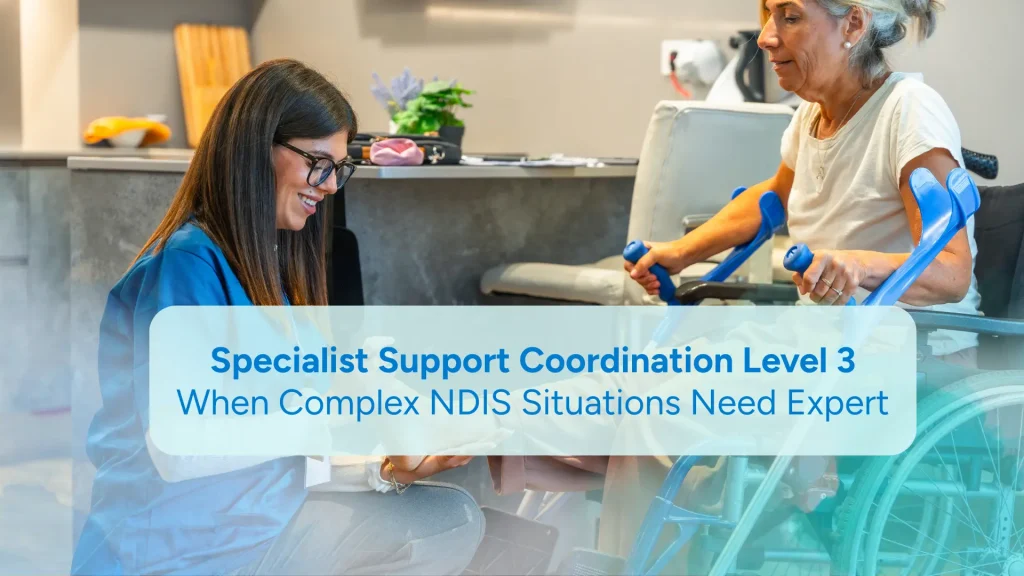
This service aims to support participants in NDIS planning, making their service delivery experience more comfortable, and ensuring that they achieve the outcomes they set out in their NDIS plan. Support coordinators work with the participant and may involve family and carers to ensure that the participant’s support services align with their lifestyle and goals.
Support coordinators help to organise social and community activities , advocate for the participant, and help them to access support services they may not be aware of.
Supported Independent Living (SIL)
This support service helps individuals with a disability to live as independently as possible. Services offered under SIL include accommodation, home modifications, assistance with daily living activities, and skill-building programs. SIL provides the necessary support and care to help participants live in their preferred accommodation, to remain connected to their community, and to achieve their goals and aspirations.
Conclusion:
Understanding NDIS-funded social and community support services can be instrumental in empowering individuals with disabilities, building independence, and improving the overall quality of their lives. NDIS support coordinators or local area coordinators (LAC) can help NDIS participants identify and access the right support services suitable for their situation and goals. If you’re an NDIS participant or support coordinator seeking a support provider focused on affective care, it’s essential to find a provider like Affective Care who will work with you to understand and meet your unique needs. Contact Affective Care today and explore the range of NDIS-funded support services that help you live your best life.