

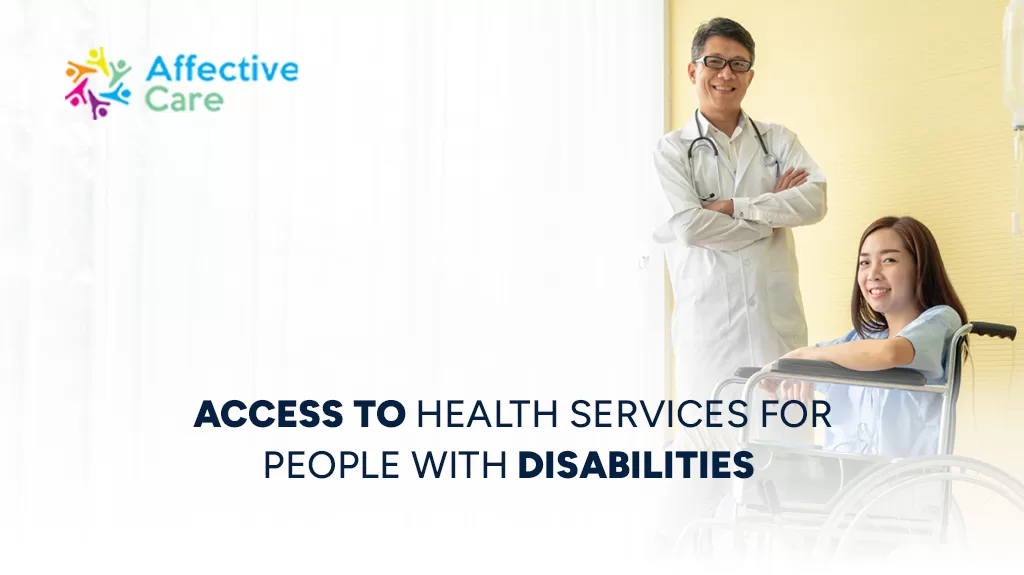
Ensuring equitable access to health services for individuals living with disabilities remains a pressing challenge across the globe.
Despite significant advancements in disability rights and awareness, numerous barriers persist, hindering their ability to receive appropriate medical care and support.
These obstacles range from physical accessibility issues to attitudinal biases and systemic discrimination.
NDIS core supports can help participants access practical assistance with daily activities, personal care and community participation, which may reduce barriers to health services and everyday support.
Introduction
Access to health services is a fundamental human right, yet for many people with disabilities, this right is often compromised.
The World Health Organization (WHO) estimates that over one billion people, or about 15% of the world’s population, live with some form of disability.
In Australia, approximately 4.4 million people have a disability, representing nearly 18% of the population.
Despite this significant demographic, people with disabilities frequently encounter barriers that prevent them from accessing the healthcare they need.
Physical Barriers
One of the most visible and immediate challenges is the physical inaccessibility of healthcare facilities.
Many medical centres, hospitals, and clinics are not designed with the needs of people with disabilities in mind. Common issues include:
- Inaccessible Entrances and Exits: Lack of ramps, automatic doors, and elevators can make it difficult for individuals using wheelchairs or other mobility aids to enter and navigate healthcare facilities.
- Inadequate Examination Rooms: Examination tables that are not height-adjustable and narrow doorways can prevent proper medical examinations.
- Transportation Challenges: Public transportation may not be accessible, and specialised transport services can be limited or costly.
For people with complex health-related needs, NDIS high intensity support may provide trained assistance with personal care or health tasks that make safer participation in daily life and health services possible.
Communication Barriers
Effective communication between healthcare providers and patients is crucial for accurate diagnosis and treatment.
However, people living with a disability often face significant communication barriers, such as:
- Lack of Sign Language Interpreters: Deaf or hard-of-hearing individuals may struggle to communicate without interpreters.
- Inaccessible Information: Medical information is often not available in accessible formats, such as Braille, large print, or easy-to-read versions.
- Limited Use of Assistive Technologies: Healthcare providers may not be equipped with or trained to use assistive communication devices.
Improving access to health services also involves ensuring people receive respectful, consistent support with everyday activities.
Learn more about the importance of personal care services in NDIS plans and how these supports can promote dignity, independence and wellbeing.
Attitudinal Barriers
Attitudinal barriers stem from societal misconceptions and stigma surrounding disability. These can manifest in various ways, including:
- Discriminatory Practices: Healthcare providers may hold biases that lead to suboptimal care or misdiagnoses.
- Lack of Understanding: A general lack of awareness and understanding of disability issues can result in inadequate or inappropriate care.
- Reluctance to Seek Care: Negative past experiences or fear of discrimination can deter individuals from seeking medical attention.
Financial Barriers
Financial constraints are a significant barrier to accessing health services for people with disabilities. These include:
- High Costs of Care: Medical treatments, therapies, and assistive devices can be prohibitively expensive.
- Inadequate Insurance Coverage: Many insurance plans do not fully cover disability-related services, leaving individuals to bear substantial out-of-pocket costs
- Limited Funding for Disability Services: Government funding for disability services and support can be insufficient, leading to long wait times and limited availability of necessary resources.
Solutions to Improve Access
Addressing these barriers requires a comprehensive and multifaceted approach.
Moreover, NDIS assistance with daily life may help people living with disability manage everyday routines, personal care and practical tasks that support safer access to health appointments and daily wellbeing.
Here are some potential solutions:
Improving Physical Accessibility
- Universal Design: Implementing universal design principles in healthcare facilities can ensure that they are accessible to everyone, regardless of their physical abilities.
- Accessible Equipment: Providing adjustable examination tables, wheelchair-accessible scales, and other adaptive equipment can accommodate diverse needs.
- Transportation Solutions: Expanding accessible public transportation options and subsidising specialised transport services can help individuals reach healthcare facilities.
Enhancing Communication
- Training for Healthcare Providers: Comprehensive disability awareness training can equip healthcare providers with the skills to communicate effectively with patients with disabilities.
- Accessible Information: Ensuring that medical information is available in various accessible formats can improve understanding and compliance with treatment plans.
- Use of Assistive Technologies: Incorporating assistive communication devices and technologies can facilitate better interactions between patients and providers./li>
Addressing Attitudinal Barriers
- Education and Awareness Campaigns: Public education campaigns can help dispel myths and reduce stigma associated with disabilities.
- >Inclusive Policies: Implementing policies that promote inclusivity and non-discrimination in healthcare settings can foster a more welcoming environment.
- Patient Advocacy: Encouraging and supporting patient advocacy groups can amplify the voices of people with disabilities and drive systemic change.
Financial Support
- Inclusive Healthcare Policies: Advocating for policies that ensure comprehensive insurance coverage for disability-related services can alleviate financial burdens.
- Increased Funding: Governments and organisations should increase funding for disability services and support to reduce wait times and improve access to necessary resources.
- Subsidies and Grants: Providing subsidies and grants for medical treatments, therapies, and assistive devices can make healthcare more affordable for individuals with disabilities.
Conclusion
Breaking down the barriers to health services for people with disabilities is not only a matter of equity but also a moral imperative.
By addressing physical, communication, attitudinal, and financial barriers, we can create a more inclusive and equitable healthcare system.
This will ensure that individuals with disabilities receive the care and support they deserve, ultimately promoting their overall well-being and quality of life.