


Having a disability can make it challenging to live life independently, but that should not stop anyone from experiencing all the joys and opportunities the world has to offer.
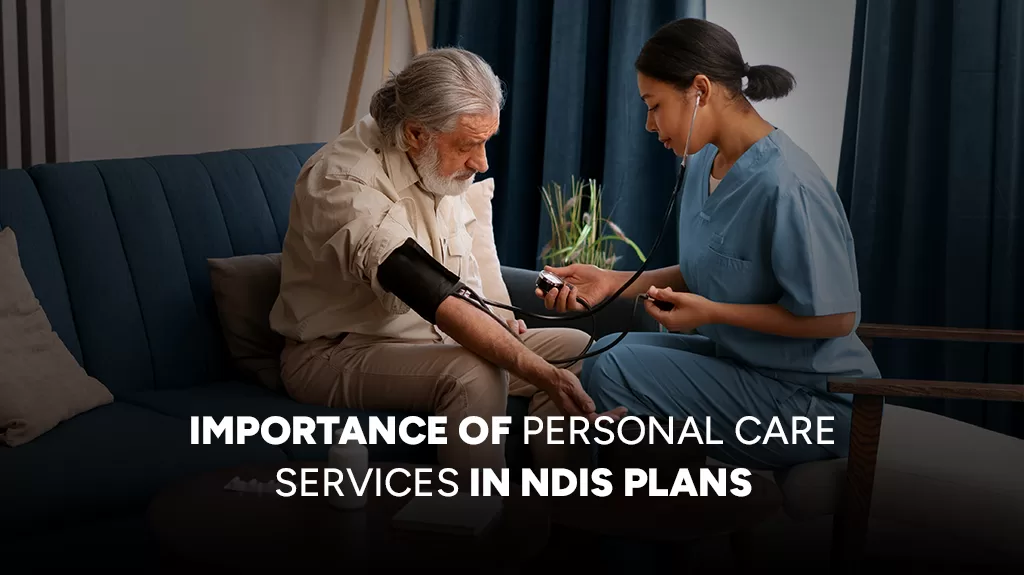
Luckily, the National Disability Insurance Scheme (NDIS) provides support to people living with a disability. Personal care services form a crucial part of the NDIS plan.
It includes assistance with daily living tasks such as bathing, grooming, dressing, toileting, and meal preparation.
In this blog post, we will highlight the importance of personal care services in NDIS plans, and why it plays a vital role in enabling individuals to live with dignity and independence.
How Personal Care Supports Wellbeing, Social Life, and Health
In our society, where independence is highly valued, personal care services offer a vital solution for people with disabilities to lead a life that meets their unique needs and preferences.
Having a personal carer can help restore the dignity and respect of individuals and ensure they can live their lives with purpose and fulfilment.
Personal carers assist with daily activities, and it provides a sense of safety and security to people with disabilities, helping relieve stress and anxiety.
Personal care is often connected with NDIS core supports, helping participants receive respectful assistance with daily activities that support dignity, independence and wellbeing.
Personal carers provide much-needed support for leisure and social activities such as attending events, participating in recreational activities, and running errands.
It allows individuals to break away from their routine, promoting socialisation, and can improve their mental and emotional wellbeing.
Personal carers also provide invaluable support in managing health conditions and taking medications.
They assist with making medical appointments and accompany individuals to these appointments for further support.
Personal care may form part of NDIS assistance with daily life when a participant needs practical support with everyday routines such as showering, dressing, grooming, toileting or moving safely at home.
Personal care services in NDIS plans are essential for individuals with disabilities, as it enables them to access all
It can help ensure a seamless transition into adulthood for young people with disabilities, promoting a balance between work and leisure activities.
It provides a sense of self-confidence and independence that can translate into other areas of their life. It encourages growth and development, promoting overall wellbeing and stability.
A strong NDIS plan should consider both personal care needs and the challenges people living with disability may face when accessing healthcare.
Learn more about barriers to health service access for people with disability and how inclusive support can improve health outcomes.
Support for Families, Carers, and Long-Term Quality of Life
Personal care services can also provide much-needed respite to carers of individuals with disabilities.
It can help alleviate the pressure and strain of caregiving, allowing time for necessary self-care and rest.
This form of support is essential in enabling carers to provide better support to the individual with disability in the long run.
Proven results of personal care services include improved self-care, increased socialisation and leisure activities, better management of health conditions, and improved stability.
It can foster a sense of connection to the community while reducing stress and anxiety.
A study carried out by the Australian Institute of Health and Welfare (AIHW) reported that more than two-thirds of NDIS participants with disabilities are receiving some form of personal care services.
It is clear that these services can greatly improve the quality of life for those facing disability, as well as providing much-needed respite to their dedicated carers.
Moreover, for participants with more complex personal care or health-related needs, NDIS high intensity support may provide trained assistance with tasks that require extra skill, safety and care.
Conclusion
In conclusion, personal care services form a fundamental part of the NDIS plan, and it is crucial for people with disabilities to understand the benefits.
It allows individuals with disabilities to continue leading their lives with independence, dignity, and fulfilment.
Affective Care Personal Care Services is committed to making a difference in the lives of people living with a disability and offers a range of support services.
We take pride in providing individualised support that prioritises the unique needs and preferences of the individual.
If you or someone you know is in need of personal care services, please don’t hesitate to contact us and let us make a difference in your life today.