


People with disabilities often require personalised support to enable them to enjoy a full life.
Support Coordination is a service that links people with disability to promising supports and sources to meet their unique life goals and enhance well-being.
It acts as a vital point of touch to a variety of services, helping people navigate through any disability barriers.
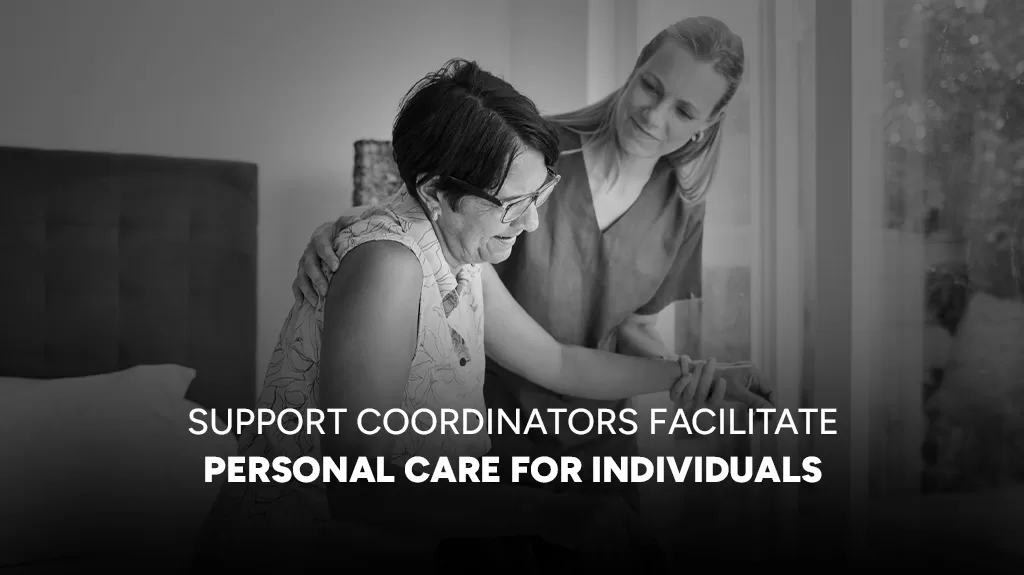
In this article, we’ll explore how Support Coordinators facilitate personal care for individuals with disabilities, leading to independent living, community participation, and improved quality of life.
Assessing Personal Care Needs
Support coordinators first assess an individual’s personal care needs to identify what supports will be facilitated.
Support coordinators can help participants understand how NDIS core supports may be used for practical daily assistance, personal care and community participation when these supports are included in their plan.
This first step includes meeting with the participant, family, and carers to identify the level of care they require and their preferred mode of delivery.
The coordinator also reviews medical records and consultations with treating physicians to gain a clearer picture of the participant’s health and well-being.
They help the participant to develop individualized support plans for achieving personal goals and managing daily living activities.
Personal goals are easier to support when participants understand how Support Coordination time is linked to planning, provider communication and follow-up tasks.
Connecting the Participant with Appropriate Personal Care Services
A support coordinator uses their network of service providers to find the right kind of personal care services for their participants.
These services include assistance with self-care, such as grooming and hygiene, and help with domestic tasks such as cleaning and cooking.
The coordinator works with family caregivers, local community groups, and professional service providers to find the best possible care options to meet a participant’s unique needs.
Moreover, Support coordinators can help participants connect with NDIS assistance with daily life when personal care, household routines or everyday activities need to be organised around the participant’s goals and support needs.
The coordinator will also assist in scheduling appointments and arranging transportation to appointments or community events.
Monitoring Personal Care Services
Once the support coordinator has facilitated the personal care services for the participant, they monitor the provision to ensure all services agreed to are delivered at the agreed-upon time, quality, and duration.
The coordinator continues to assess, monitor, and adjust the support plan as the participant’s needs change.
By monitoring the services, the coordinator can minimize the risks of abuse, neglect, and exploitation and ensure quality service delivery.
Support coordinators can help participants connect with suitable personal care providers, but access to broader healthcare may still involve practical and systemic challenges.
Learn more about breaking down barriers to health services for people with disabilities and how more inclusive systems can improve continuity of support.
Coaching and Supporting the Participant
Support coordination is a collaborative process that encourages people with disabilities to take greater control over their lives.
Therefore, support coordination service providers employ person-centred approaches to encourage, coach, and support their participants.
The coordinator assists participants in identifying their strengths and interests, which empower them to take more control of their lives, increase self-esteem, and improve their overall well-being.
Moreover, When a participant has more complex personal care or health-related needs, support coordinators may help connect them with NDIS high intensity support delivered by appropriately trained workers.
Advocating for the Participant
Support coordinators act as advocates for their participants to ensure their rights are protected, respected, and valued by their service providers.
They work closely with other providers to ensure they understand their obligations under the NDIS Quality and Safeguard Framework to ensure they meet the expected standards.
Coordinators assist participants in making informed decisions on the service delivery that best suits their needs. They also help in resolving any issues that may arise from service delivery.
As NDIS systems and planning processes gradually change, Support Coordinators can help participants maintain continuity by understanding the 2026 reforms affecting Support Coordination and plan implementation.
Conclusion
Access to appropriate personal care services is essential for the well-being of individuals living with disabilities.
Support coordination services facilitate personal care services in a person-centred and coordinated manner, leading to increased satisfaction and independent living.
By engaging with a support coordinator, people with disabilities can develop personalised care plans, access a wide range of quality care options, and receive ongoing support to achieve their personal goals.
If you’re an NDIS participant and experience difficulties in accessing personal care services, it’s recommended you engage a supportive coordinator service provider for assistance.
Contact us to learn more about the support coordination services we offer.