The National Disability Insurance Scheme (NDIS) helps Australians with disabilities in their daily living, community participation, and employment goals by providing funding for their reasonable and necessary support.
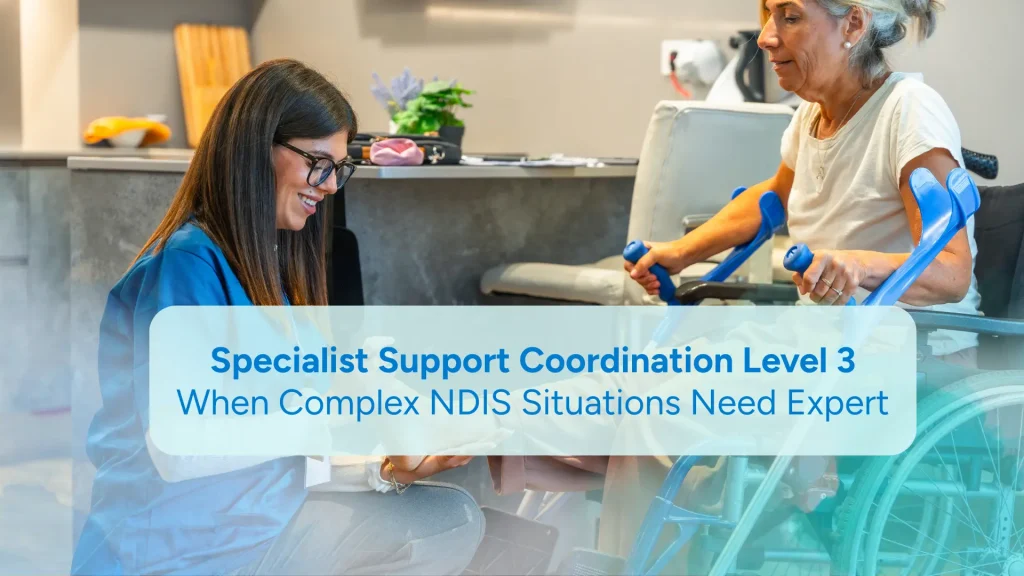
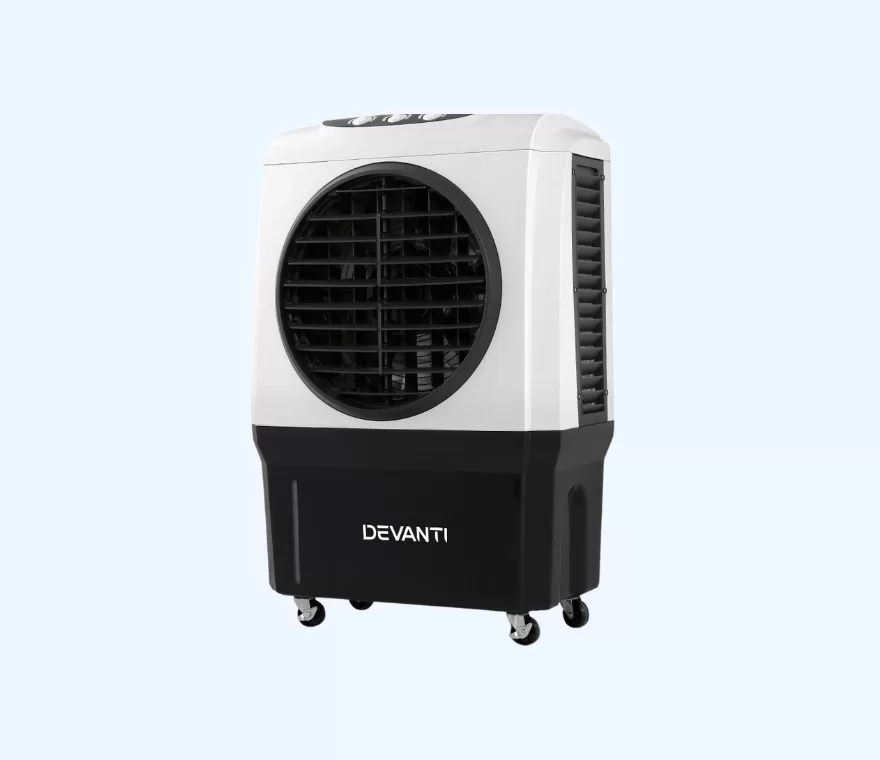
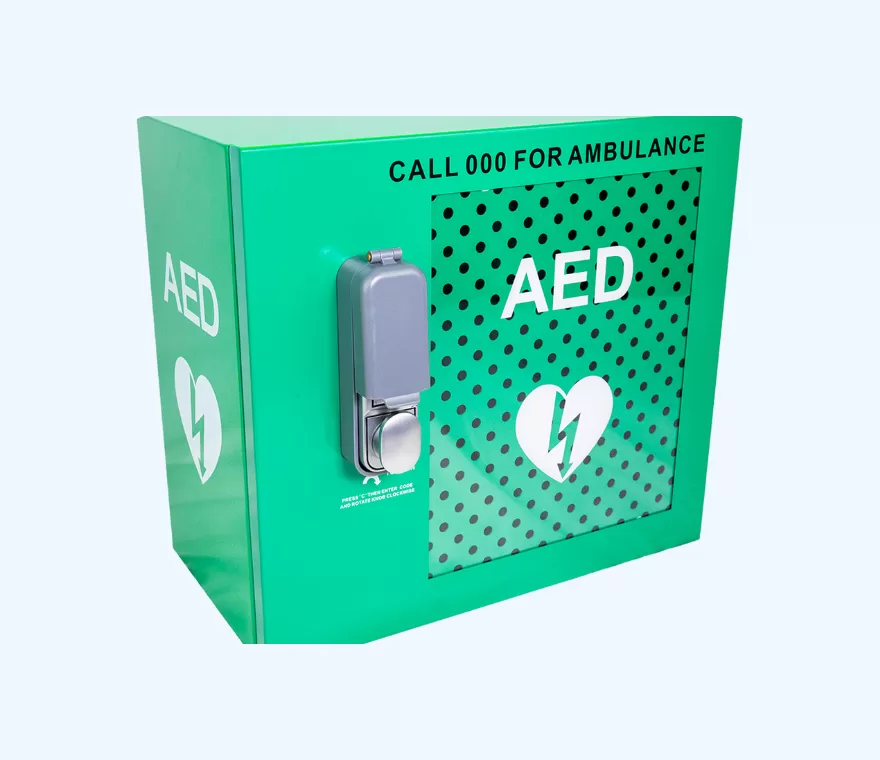
The NDIS also provides funding for assistive technology that can transform the lives of people with disabilities.
However, navigating the NDIS system and applying for assistive technology funding can be confusing and intimidating.
Moreover, Assistive technology may work alongside NDIS assistance with daily life when a participant needs practical support, equipment or strategies to complete everyday routines more safely and independently.
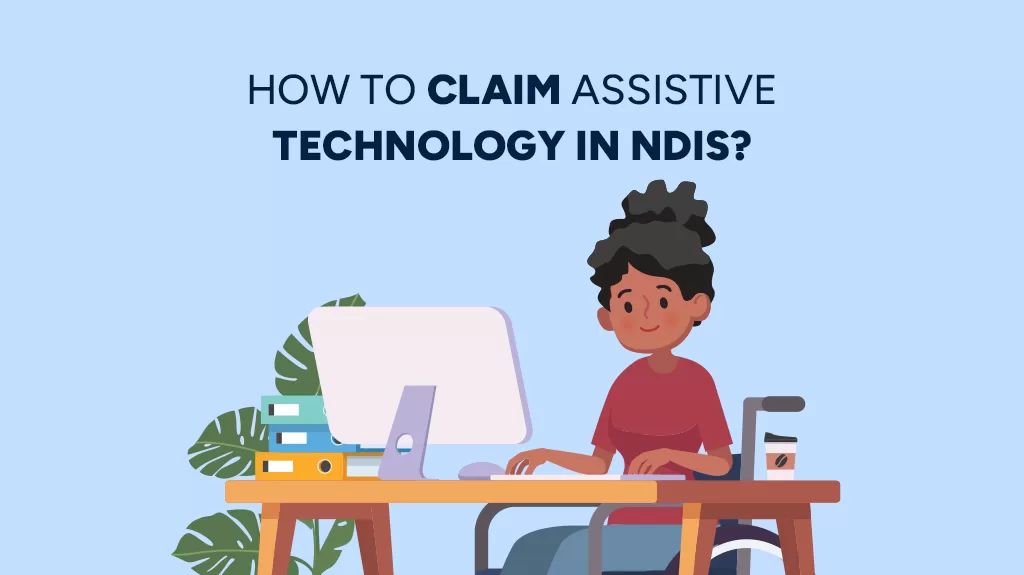
Therefore, this blog post aims to guide NDIS support coordinators, NDIS local area coordinators (LAC), and NDIS participants in claiming assistive technology in NDIS.
Understanding Assistive Technology Categories
Before claiming assistive technology in NDIS, it is essential to know the different categories of assistive technology and how they relate to your needs and goals.
The NDIS has six categories of assistive technology, namely:
• Daily Living
• Communication
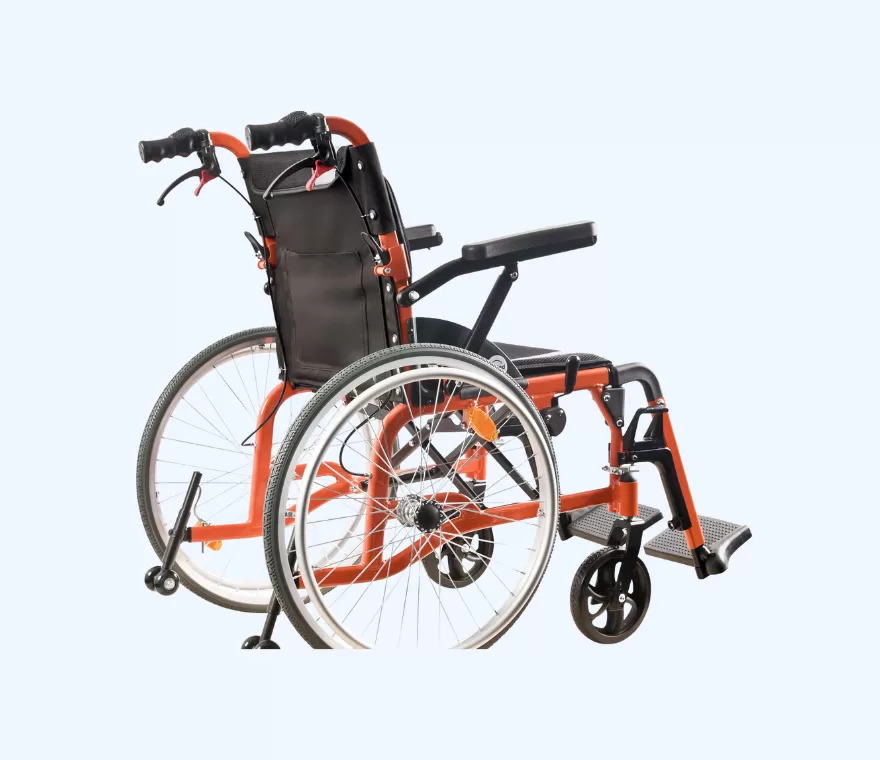
• Mobility
• Personal care
• Recreation
• Education and Employment
Each category serves specific purposes, and the type of technology you require will depend on your goals and individual needs.
Seek Expert Assessment and Recommendations
To benefit from NDIS assistive technology funding, you need to provide evidence that you require the technology to meet your specific needs and goals.
Hence, it is prudent to seek expert assessment and recommendations from allied health professionals like occupational therapists, physiotherapists, and speech pathologists.
These professionals can assess your needs and recommend the right assistive technology, which is crucial in ensuring you get adequate NDIS funding.
Assistive technology can improve independence and access, but participants may also need support navigating communication, physical and service-related healthcare obstacles.
Explore practical approaches to breaking down barriers to health services for people with disabilities.
Apply for NDIS Assistive Technology Funding
Once you have identified the most suitable assistive technology for your needs, you can apply for NDIS funding.
Applying for NDIS assistive technology funding can be done through your NDIS plan manager or online using the NDIS portal.
It is important to complete all the necessary fields in the application form, provide all relevant paperwork, and submit the application well in advance to avoid delays.
Understand the Terms and Conditions of Assistive Technology Funding
When claiming assistive technology in NDIS, it is important to understand the terms and conditions of the funding.
NDIS core supports may help participants access practical assistance with daily activities while assistive technology can support independence, safety and participation in everyday life.
For instance, the NDIS may fund the cost of purchasing, maintaining, and repairing assistive technology, but it doesn’t cover consumables such as batteries and disposables.
The NDIS also expects you to notify them of any changes or damages to the funding equipment and return it if you no longer need the technology.
Seek Assistance and Follow Up
The NDIS system can be complex and overwhelming, especially for those new to it.
Therefore, it is essential to seek assistance from NDIS support and local area coordinators if you experience any challenges in claiming assistive technology funding.
Moreover, For participants with complex care needs, NDIS high intensity support may be needed alongside assistive technology to make sure personal care or health-related tasks are delivered safely by trained workers.
Additionally, you should follow up on your application regularly, seeking updates and ensuring that the assistive technology funding process goes smoothly.
Conclusion
The NDIS’ assistive technology funding can be a life-changing resource for people with disabilities, offering them the opportunity to live independently and achieve their goals.
Claiming NDIS assistive technology funding is achievable with the right knowledge, expert assessment, application, and understanding of the terms and conditions.
We hope that this blog post has provided valuable insights on how to claim NDIS assistive technology funding for NDIS support coordinators, NDIS local area coordinators (LAC), and NDIS participants.
If you need further assistance in navigating the NDIS system, please do not hesitate to seek support from NDIS professionals.