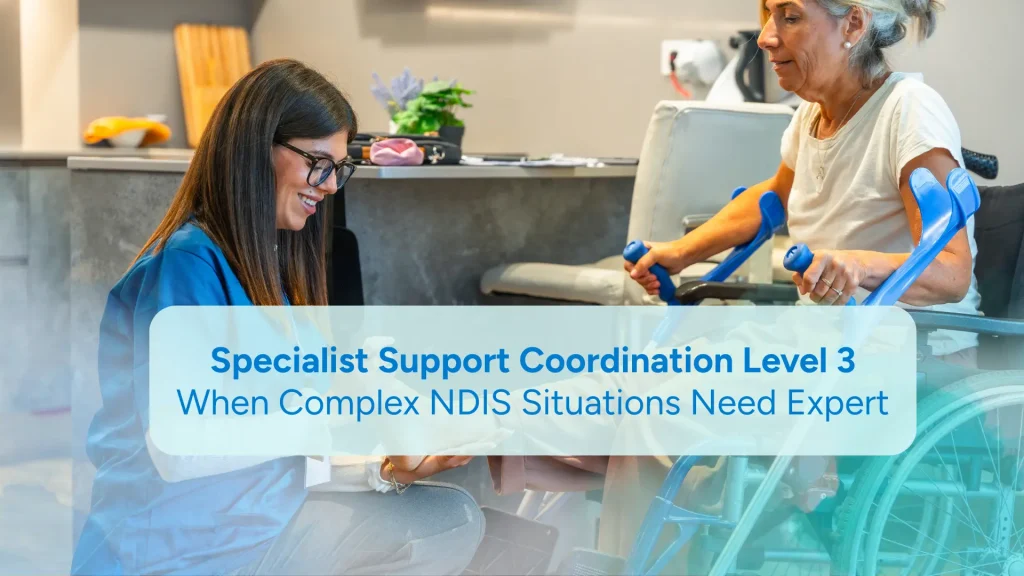




As an NDIS support coordinator, local area coordinator, or participant, you know all too well the challenges of daily life with a disability.
The work involved in managing care, support, and everyday tasks can be exhausting, both mentally and physically.
Enter respite care: a critical support service that provides a break for both the participant and their primary carer.
Respite care may be linked with NDIS core supports when it provides practical support for participants while giving families and carers time to rest, reset and continue their caring role.
In this blog post, we will dive into the reasons that respite care is so important for NDIS participants, the types of respite care available, and how to access these vital services.
Respite care provides much-needed rest for carers.
Carers of NDIS participants face numerous challenges on a daily basis, including physical strain and emotional burnout.
Respite care is a chance for them to step away from their caregiving duties and recharge.
This can lead to improved job performance, better physical health, and a boost in overall well-being.
Respite care may also connect with NDIS assistance with daily life when a participant needs short-term support with personal care, meals, routines or community activities.
Respite care can help prevent carer burnout.
Carer burnout is a common issue among those who provide round-the-clock care for loved ones with disabilities.
This physical and emotional exhaustion can manifest in depression, anxiety, and other health problems.
By providing a break for carers, respite care can prevent burnout and ensure that they can continue to provide the best possible care for their loved ones.
Respite care gives NDIS participants and their families time to rest and recharge, while understanding barriers to health service access for people with disability can support more inclusive, timely and appropriate healthcare.
Respite care can enhance socialization and community involvement
For some NDIS participants, respite care provides a valuable opportunity to interact with others and explore their community’s offerings.
Socialization is an essential component of mental and emotional well-being, and respite care providers can facilitate new friendships and stimulate new interests, leading to a more fulfilling life for the participant.
There are various types of respite care available to NDIS participants.
Respite care is not one-size-fits-all, and there are a variety of options available to suit the unique needs of each participant.
These can include in-home support, respite centres, overnight stays, or even short-term vacation services.
Accessing respite care is easier than you might think.
As an NDIS support coordinator, LAC or participant, accessing these critical services can be both simple and affordable.
The NDIA may provide funding directly to the participant or their carer to pay for respite care, and there are numerous providers in the community that specialize in respite care services.
Some participants may need NDIS high intensity support during respite if they require trained assistance with complex personal care or health-related daily activities.
Conclusion
Respite care is a necessary and beneficial service that can make a massive difference in the lives of NDIS participants and their primary carers.
By providing a break from the daily demands of caregiving, respite care can enhance mental and physical health, improve socialization, and prevent burnout, all while promoting a higher quality of life for the participant.
Don’t be afraid to explore the various types of respite care services available and take advantage of the many options accessible – it could be the key to improving your overall well-being.
Find out more about our Respite Care Services at Affective Care, or simply contact us by filling out the form below.