


Individuals with disabilities often face a variety of challenges in their daily lives.
Living with a disability can impact everyday tasks, mobility, and overall quality of life.
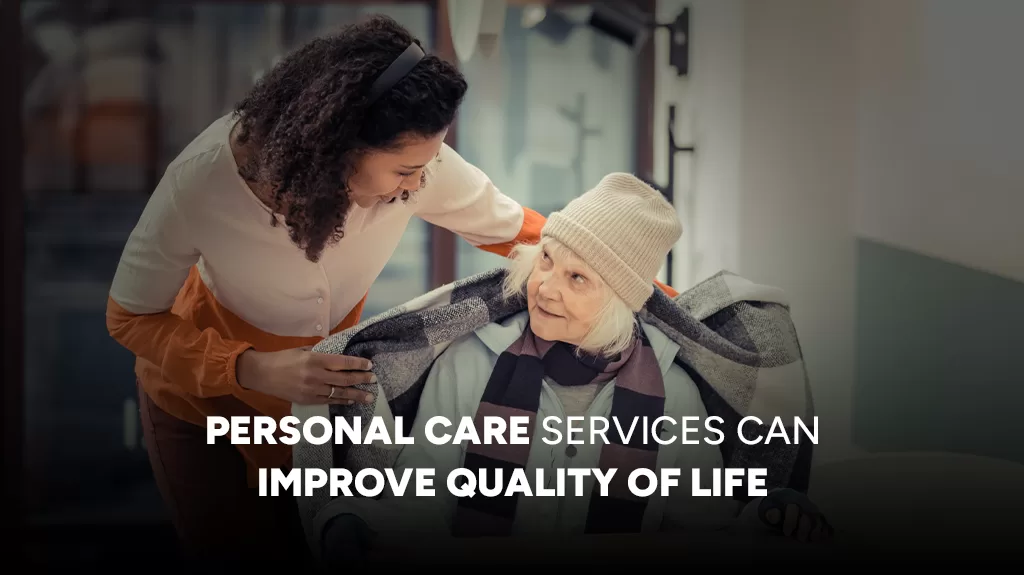
Fortunately, personal care services can help to improve the lives of people with disabilities by providing the assistance and support they need.
Personal care is often linked with NDIS core supports, helping participants receive respectful assistance with daily activities that support dignity, independence and quality of life.
In this article, we will discuss how personal care services can improve the quality of life for individuals with disabilities.
Increased Independence and Autonomy
Personal care services provide individuals with disabilities with a greater sense of independence and autonomy.
A personal care worker can NDIS assistance with daily life activities that may be difficult for an individual with a disability to manage on their own, such as dressing, bathing, and meal preparation.
With the help of a personal care worker, individuals living with a disability can maintain an active lifestyle and participate in activities that may have been challenging before.
This increased independence can lead to a greater sense of self-esteem and overall well-being.
Improved Physical Health
Personal care services can also improve the physical health of individuals living with a disability.
These may be funded when they meet the NDIS criteria for reasonable and necessary supports under the NDIS Act, based on individual needs and daily impact.
Personal care workers can assist with medication management, which can help to prevent medical complications, such as missed doses resulting in hospitalisation.
They can also assist with mobility, exercise, and rehabilitation.
By providing necessary physical assistance, personal care services can prevent falls and other accidents, which can often lead to additional medical complications.
For participants with complex care needs, NDIS high intensity support may provide trained assistance with personal care or health-related tasks that support safety, comfort and wellbeing.
Greater Social Connection
Individuals living with a disability may often feel isolated or disconnected from their community.
Personal care services can provide social support and interaction.
Personal care workers can facilitate social connections by assisting individuals with disabilities to attend events, religious services or community activities.
Social connections can reduce feelings of loneliness and promote a sense of belonging within their community.
Reduced Stress
Individuals living with a disability can be stressful, as individuals with disabilities often feel like they are a burden on their loved ones or caretakers.
Personal care services can help to reduce stress by providing assistance and support to both individuals with disabilities and their caregivers.
By allowing individuals with disabilities to maintain their independence and autonomy, personal care services can alleviate stress on caregivers and prevent burnout.
Personal care can help participants feel safer and more confident at home, while SIL accommodation options may provide ongoing support for those who need help across daily routines.
Cognitive Enhancement
Personal care workers could also help in cognitive tasks such as reminding the individual about their appointments, managing and organising medication and bills to pay.
These tasks can be challenging and require significant cognitive effort for some individuals with disabilities.
Personal care workers could help support them in these areas and lift the burden of these tasks off the individual.
Personal care services can enhance comfort, confidence and independence, but broader health outcomes also depend on equitable access to suitable healthcare.
Learn more about breaking down barriers to health services for people with disabilities and the importance of creating more inclusive, accessible support systems.
Conclusion
Personal care services can provide a range of benefits for individuals living with a disability.
From increased independence and physical health to greater social connection and reduced stress, personal care services can significantly improve the quality of life for individuals with disabilities.
If you or a loved one needs personal care services, we encourage you to explore the services offered by Affective Care Social and community support services.
These services provide personal care services that are affordable, reliable and high-quality.
Affective Care Personal Care services are dedicated to helping individuals living with a disability to live a fulfilling and healthy life.
Contact us today to learn more about our personal care services and how we can help you or a loved one.