
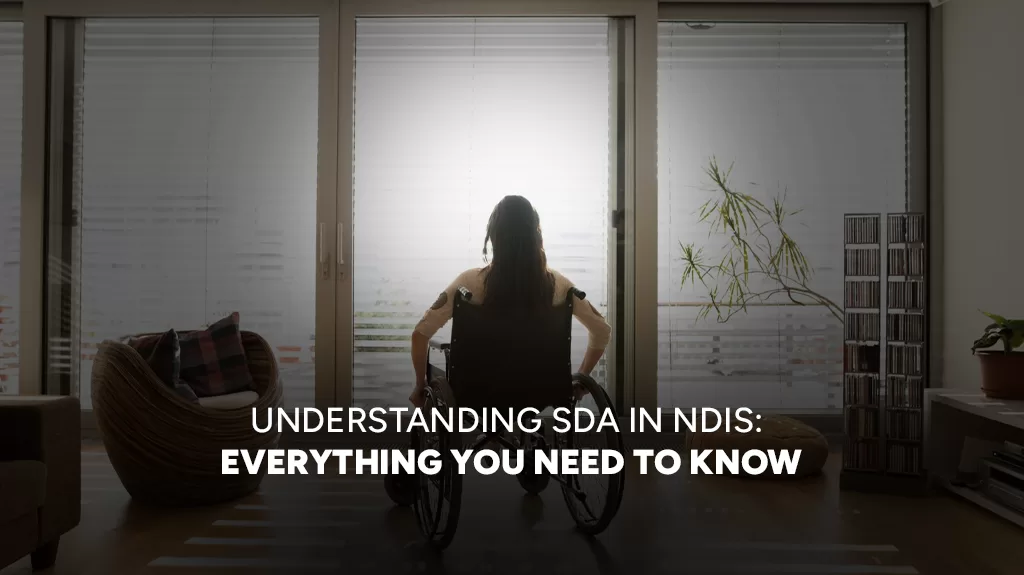
The National Disability Insurance Scheme (NDIS) is a wonderfully complex disability support system in Australia that provides people with disabilities access to various services and support to help them live more fulfilling lives.
One key aspect of the NDIS is Specialist Disability Accommodation (SDA), which is designed to provide participants with high-quality, accessible, and sustainable housing options.
In this blog post, we will provide an in-depth look at SDA in NDIS, including its purpose, eligibility requirements, categories, and funding models.
Purpose of SDA
SDA in NDIS is meant to provide specialized accommodations for individuals with extreme or significant functional impairments who require additional supports, including aids and equipment, to enable them to live in a dedicated residence.
These residents must require a higher level of assistance than what is generally available in standard rental properties.
SDA and SIL are different types of support, but they can sometimes work together. Participants may also want to understand how SIL accommodation supports daily living needs.
Eligibility requirements
SDA is not a universal benefit under the NDIS, and only individuals who meet specific eligibility requirements will be considered for funding.
Participants must be approved for the highest level of support – ‘high needs’ – to be eligible for SDA.
If you are comparing SDA with SIL, it is also helpful to understand how SIL rent works, including what participants may pay separately for rent, board, utilities and everyday living costs.
They must also meet specific residency requirements and have evidence of an extreme functional impairment or very high support needs due to their disability.
f your housing needs include regular daily support inside the home, you may also want to check your SIL eligibility to understand what the NDIS may consider for daily support needs, safety and independence goals.
Categories of SDA
There are four categories of SDA in NDIS, which are designed to meet the needs of residents with specific requirements. These categories include:
- Improved Livability: A category that caters to participants with physical and sensory impairments who require improved accessibility and functionality in their housing.
- Fully Accessible: A category where the housing offers complete accessibility for individuals with severe mobility issues.
- Robust: This category provides accommodation that can withstand physical impacts, such as banging and hitting, and which provides additional security for individuals who exhibit challenging behaviours.
- High Physical Support: This category caters to residents who require round-the-clock support for complex health requirements, including significant personal care and medical needs.
SDA may provide the specialist home, but participants may still need Supported Independent Living if they require daily support with personal care, routines, household tasks or overnight supervision.
Funding models
The SDA funding model is designed to provide financial support to eligible participants to live in specialized accommodation facilities.
NDIS participants can choose any appropriate SDA, and the cost is paid for by funding arrangements that protect residents and providers.
To better understand how daily support works alongside housing, our guide to understanding sil housing in australia explains SIL housing, support models and how SIL differs from SDA.
Conclusion
In conclusion, SDA in NDIS is indeed a considerable benefit for participants with a very high level of disability needs.
It provides specialized accommodation for individuals who would otherwise face significant challenges living in standard rentals.
With proper knowledge of the eligibility requirements, the categories of SDA, and the funding, NDIS support coordinators can help participants make informed choices about their housing options.
As NDIS Local Area Coordinators (LAC), being familiar with the ins and outs of SDA is a valuable part of providing high-quality service to your participants.
Affective Care is NDIS certified provider of SDA Services in Australia. Learn more about our SDA services or simply contact us in the form below.