

Living with functional limitations or disabilities can be challenging for individuals and their families.
It can adversely affect their social, emotional, and physical wellbeing, leading to a lower quality of life.
Navigating the difficulties of daily life while also handling health issues can be isolating and overwhelming.
In addition to providing essential services and resources, social and community supports can be incredibly beneficial in enhancing the wellbeing and quality of life for individuals with disabilities.
Social and community support is often connected with NDIS core supports, helping participants access meaningful activities, build confidence and strengthen social connection.
This article delves into the importance of social and community support services and how they significantly impact an individual’s quality of life.
Social Connection and Its Benefits
Maintaining social connections can have a positive impact on mental and emotional health, reducing the risk of depression, anxiety, and social isolation.
A sense of belonging and social connection promotes self-esteem, feelings of self-worth and fosters a sense of community.
Being part of a community with similar experiences can provide valuable access to peer support.
Peer support groups can provide a safe space to discuss shared experiences, insights, advice, and assist with problem-solving.
NDIS support coordinators can facilitate access to social and skill-building programs, such as art classes, music therapy, or sports activities.
Social and community support can strengthen inclusion and wellbeing, while addressing barriers to health service access for people with disability helps ensure individuals can receive timely, appropriate and accessible care.
Access to Essential Resources
Access to financial assistance, transportation, and healthcare is essential to maintaining physical wellness and quality of life.
NDIS Local Area Coordinators (LAC) can assist individuals in accessing and navigating essential resources.
These resources may include financial compensation to assist with accommodation, daily living support, medicine, and other out-of-pocket healthcare expenses.
Moreover, Social and community support may connect with NDIS assistance with daily life when a participant needs practical help to build routines, access activities and take part more confidently in everyday life.
The LAC can also assist in coordinating transportation, ensuring individuals can get to their day programs, appointments, or participate in other activities.
Safety and Security
Individuals with disabilities can be vulnerable to different forms of abuse or neglect.
Community support services that build confidence and connection services can help address this issue by creating safer environments for individuals with disabilities.
NDIS support coordinators can develop individualised safety plans for their clients, assist in identifying and addressing vulnerabilities, and provide counselling or clinical support.
Moreover, social and community support services can offer a supportive environment for individuals experiencing domestic violence or abuse.
Organisations offering support, such as crisis hotlines and intervention services, can help create a safer environment.
Building Life Skills
Social and community support services can provide opportunities to develop life skills such as problem-solving, communication, and personal safety.
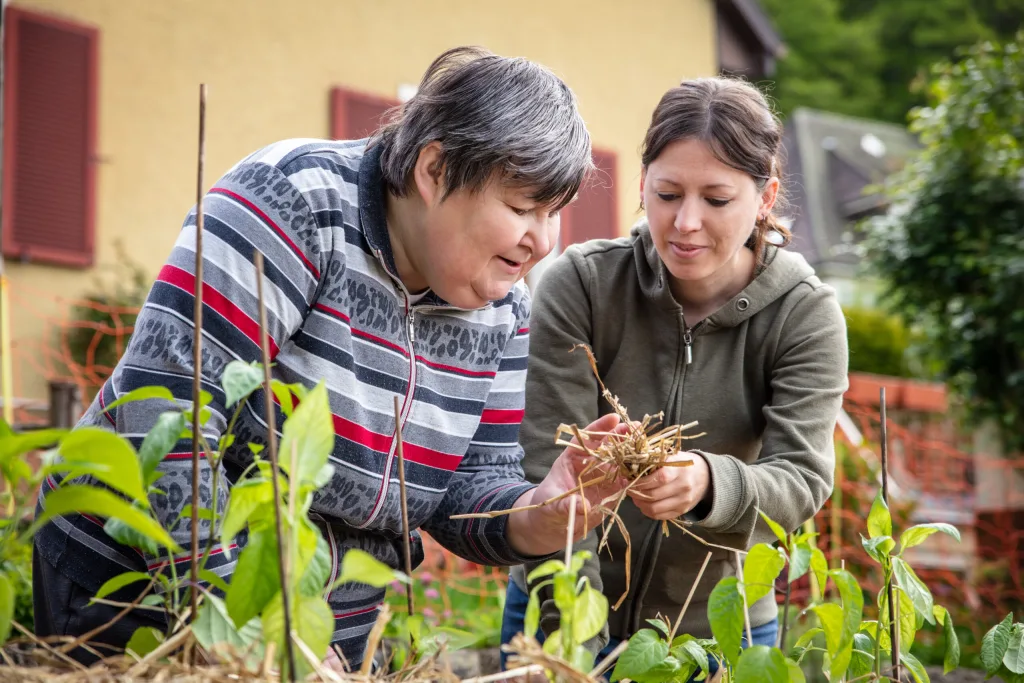
Experiential learning programs such as cooking classes, gardening, and money management can be particularly useful.
These programs build confidence and independence and provide participants with the skills needed to lead a fulfilling and independent life.
NDIS Local Area Coordinators (LAC) can provide access to individualised programs designed to meet their clients’ needs.
Support for Caregivers
Caring for a loved one with a disability can be a challenging and emotional experience.
It’s essential to ensure caregivers have access to the support they need.
Social and community support services can provide valuable resources, respite care, and counselling services to help caregivers navigate the challenges they face.
Respite care provides caregivers with a break, allowing them to take care of themselves, reducing the risk of caregiver burnout.
Some participants may also need NDIS high intensity support when community participation involves complex personal care or health-related support delivered by trained workers.
Conclusion
Social and community support services play a critical role in enhancing the lives of individuals with disabilities and their families.
They provide opportunities to build social connections, access essential resources, provide a safe environment, develop life skills, and support caregivers.
The benefits of these services extend far beyond physical and emotional health; they provide essential support that can help people with disabilities lead fulfilling and independent lives.
As an NDIS Support Coordinator, it’s essential to be aware of the resources and services available to your clients.