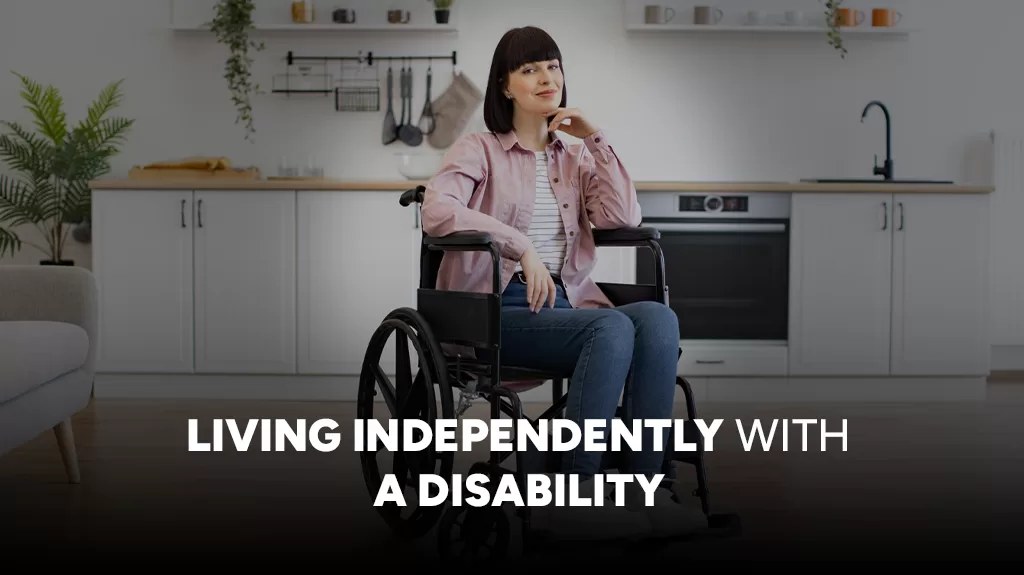
Independent living means living on your own. Independent living can be achieved with or without a disability.
Independent living may include assisted living, supported independent living, and other types of support services available to those who need them.
This blog post will discuss different ways to live independently through NDIS Australia!
Independent Living Facilities
Independent living under the NDIS focuses on helping people develop the skills, routines, and support networks needed to live safely and comfortably in their homes and communities.
Supports may include help with:
- Personal care and daily routines
- Household tasks such as cleaning and cooking
- Community participation and social activities
- Transport and attending appointments
- Building independent living skills
You can learn more about how daily supports are funded in our guide to NDIS funding categories.
Independent living is also known as disability independent housing.
People with disabilities can choose from small group homes or large apartment complexes.
Independent living services provide support such as housekeeping, transportation, social programs, personal care assistance and more!
As an accredited NDIS provider near you, Affective Care can help you find the right option for your needs.
The Department of Human Services DHS website will have information about different options for home modifications, including ramps, bathroom/shower accessibility etc.
Independent Living Housing Options
People living with disability may choose from different living arrangements depending on their goals, support needs, and preferences.
Common independent living options include:
Living in Your Own Home
Many NDIS participants choose to live in their own house, apartment, or townhouse.
With the right supports in place, participants can receive assistance with daily tasks while maintaining independence.
This may include support workers helping with cooking, household management, or community activities.
Home modifications may also be available through NDIS Capital Supports to improve accessibility, such as:
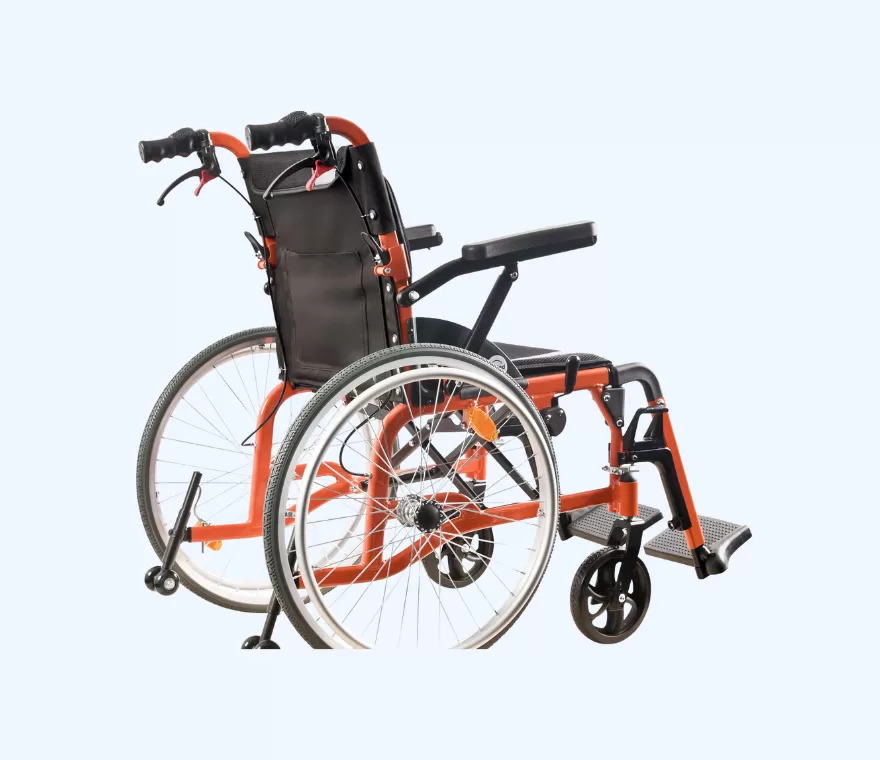
- Wheelchair ramps
- Accessible bathrooms
- Safety modifications
- Assistive technology
For participants, families or providers managing support-related payments and records, understanding NDIS Taxation may help clarify financial responsibilities connected to NDIS supports.
Independent living can also be found in group housing such as retirement communities, where the occupants’ rent covers all utilities, meals, activities, and other support services.
While it is listed under disability supports, it can be used to help someone who wants to live independently at home.
Independent living support may include caregiver or personal care assistance, housekeeping and meal preparation.
Moreover, when planning supports for independent living, it can help to understand the NDIS Price Guide, as it explains how different NDIS supports are priced and claimed.
Shared or Community Living
Some people choose to live with others in shared homes or supported housing environments.
These arrangements can provide both independence and community connection, while ensuring support is available when needed.
Participants may share a home with other people living with disabilities while receiving structured daily support.
If you are unsure what supports may help with daily living, our guide to how NDIS funding works explains the main funding categories and how they may support greater independence.
Supported Independent living
If you have a disability that impacts your ability to work, then NDIS Supported Independent Living might be the best option for you.
The NDIS website lists Independent Living Support Services under Disability Supports Tab, making finding these services more accessible than ever before.
This type of facility provides employment opportunities with other residents in group homes or individual apartments while still providing all necessary daily life support needs, such as meals, etc.
Independent living is all about providing people with disabilities the opportunity to live independently in their own homes and communities.
Independent Living Services are available through NDIS Australia, Independent Living Facilities or Independent Housing.
Supported Independent Living (SIL) is often delivered in shared homes where participants receive daily support while maintaining independence.
If you would like to explore the types of SIL homes available, read our detailed guide on Supported Independent Living (SIL) accommodation options in Australia.
Benefits of Independent Living Supports
For many people, these supports create opportunities to live a more independent, meaningful, and connected life.
Independent living supports can provide many benefits, including:
- Greater choice and control over daily life
- Opportunities to develop new skills
- Improved confidence and independence
- Better community participation
- Increased safety and wellbeing
Not every NDIS participant automatically receives SIL funding. Eligibility depends on a participant’s support needs and NDIS plan goals.
You can learn more in our guide on who is eligible for Supported Independent Living (SIL).
Ready to start your next life Chapter Living Independently?
At Affective Care, we offer Independent Living Services and Independent living support, including Caregiver or Personal care assistance, housekeeping and meal preparation through NDIS Australia!
Call us today to learn how we can help you live independently at home with Independent Living Support services.
Affective Care is here for you when it comes to Independent Living Supports in Sydney of NSW.
For readers who are new to disability support, our guide to the National Disability Insurance Scheme explained provides a simple overview of how the scheme supports eligible participants with disability-related needs.
If you’re looking for an NDIS provider near you, give us a call today on 1300 615 593! Alternatively, visit our website: affectivecare.com.au.