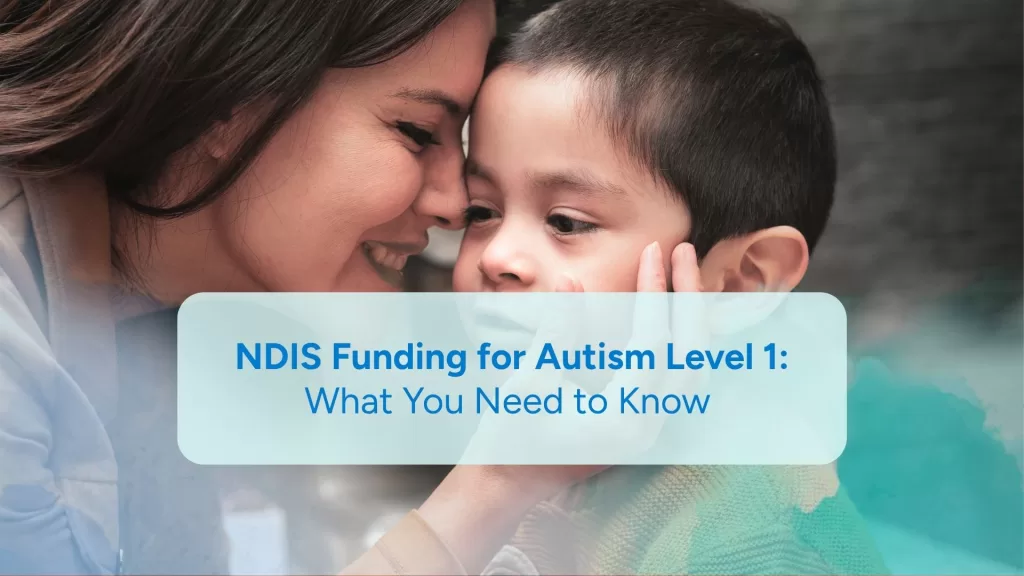
Understanding NDIS funding for Autism Level 1 is essential for individuals and families navigating support options in Australia.
The National Disability Insurance Scheme (NDIS) is a government program that provides funding to people living with disabilities to access the services and supports they need to live an independent and fulfilling life.
For people diagnosed with Autism Level 1, getting the right funding through the NDIS can make a big difference.
If you are still in the early stages of understanding a diagnosis, our guide to the autism diagnosis process in Australia explains how assessments work, who may be involved and what families or adults can expect before receiving a formal report.
Autism Level 1 is often called “mild autism”, and while it may not be visible to others, it still affects daily life in many ways.
Knowing how NDIS supports work helps individuals and families access personalised services, plan effectively, and make informed choices about their goals.
In this article, we’ll explore eligibility requirements, how funding is structured, the kinds of supports available, and tips to get the most out of your NDIS plan.
Is Autism Level 1 a Disability? (NDIS Eligibility)
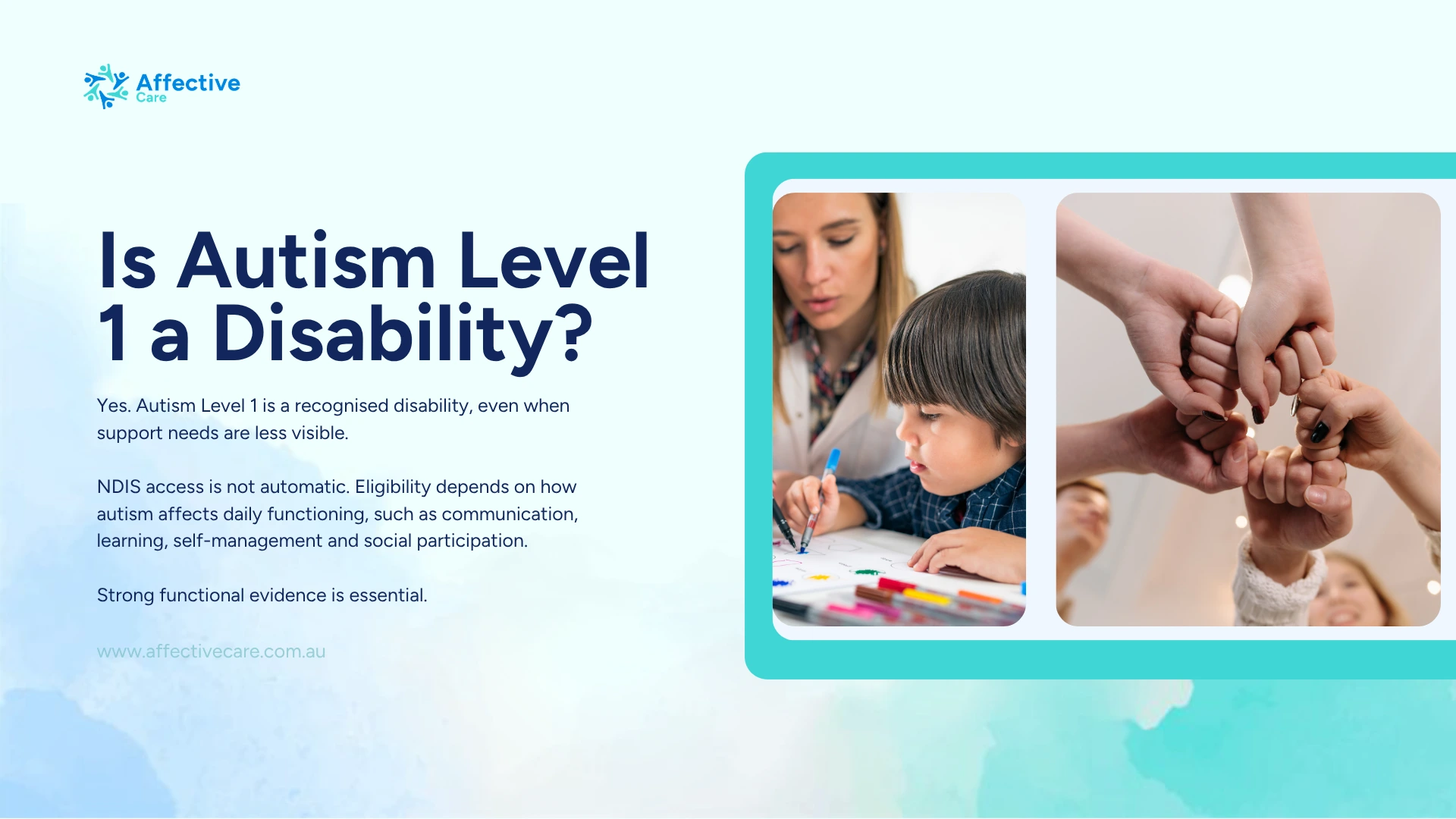
Yes, autism level 1 is a disability. It’s a formal DSM-5 diagnosis (autism spectrum disorder “requiring support”), it’s recognised under Australia’s Disability Discrimination Act, and it entitles a person to reasonable adjustments at school and work.
Being described as “high-functioning” or “mild” doesn’t change that those labels describe how visible the support needs are to others, not how real they are.
NDIS access is the more nuanced question. ASD Level 1 NDIS applications are assessed on functional evidence rather than the diagnosis alone, historically Level 1 sat on List B (evidence of functional impact required) rather than List A, and the 2026 reform direction pushes all access decisions further toward functional capacity assessment.
In practice, a Level 1 application succeeds when reports clearly show substantially reduced capacity in areas like social interaction, self-management or learning, despite the strategies and supports already in place.
What that means for level 1 autism in Australia:
- Diagnosis alone won’t secure NDIS access, but strong functional assessments can. See what an NDIS-ready autism assessment includes.
- Children under 9 have an easier front door, the Early Childhood Approach provides support based on developmental concerns, without a formal access decision.
- Non-NDIS supports still apply, school adjustments, Medicare-rebated psychology and workplace adjustments don’t depend on NDIS status.
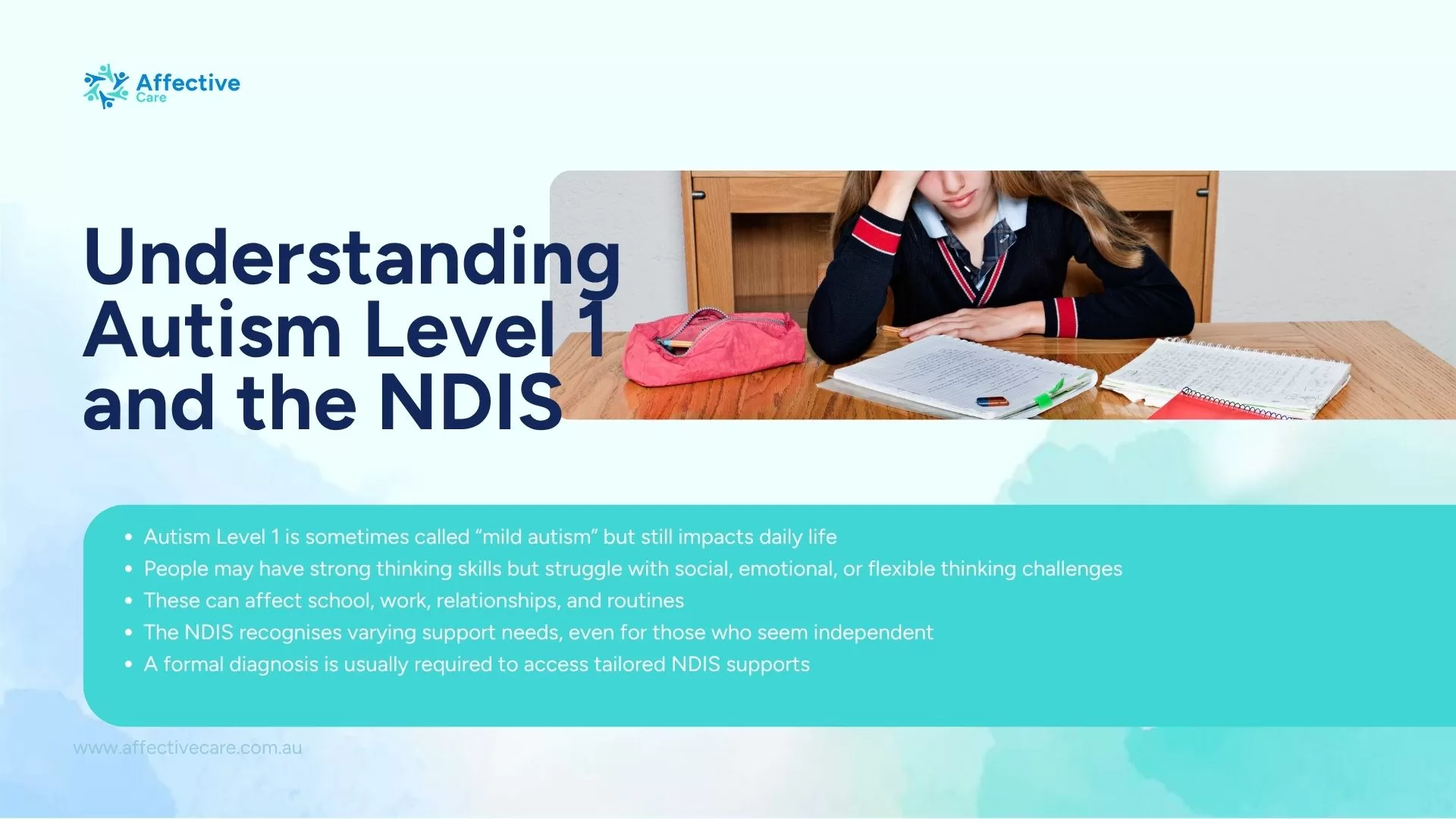
Understanding Autism Level 1 and the NDIS
Autism Level 1 is a form of autism spectrum disorder (ASD) that may not be immediately noticeable.
People with this level of autism often have good language and cognitive skills but may struggle with things like social interaction, flexible thinking, or managing emotions.
These challenges can affect relationships, employment, education, and day-to-day life.
The National Disability Insurance Scheme (NDIS) recognises autism as a spectrum, which means people living with autism may have different needs depending on the level of support they require.
Even if someone appears “independent,” they may still need help managing routines, communication, or emotional wellbeing.
To access NDIS funding for Autism Level 1, a formal diagnosis is often needed. This diagnosis helps show how the condition affects the person’s ability to carry out daily tasks and participate in the community.
With the right documentation, individuals can receive tailored support that meets their unique needs and goals.
Does Level 1 Autism Qualify for the NDIS?
Does Level 1 autism qualify for the NDIS? The answer depends on the person’s functional support needs rather than the diagnostic level alone.
An Autism Level 1 diagnosis does not provide automatic access to the Scheme. However, it also does not prevent someone from qualifying.
A person may be eligible when their autism-related impairments are permanent and substantially reduce their ability to communicate, interact socially, learn, manage daily activities, care for themselves or participate in work and community life.
When considering does level one autism qualify for disability support, it is important to describe what happens in everyday situations. Relevant examples may include:
- Needing regular prompting to begin or complete daily tasks
- Experiencing significant sensory overload in public environments
- Having difficulty communicating needs or interpreting social information
- Being unable to manage unexpected changes without support
- Struggling with planning, organisation, budgeting or appointments
- Experiencing barriers to maintaining employment, education or relationships
- Depending on family members for supervision, guidance or emotional regulation
Some people with Autism Level 1 may appear independent in structured or familiar environments while requiring considerable support behind the scenes.
NDIS access decisions should therefore consider the person’s actual functioning across different settings, not simply whether they can speak, study, work or complete some activities independently.
Support needs can differ considerably across the autism spectrum; you can also explore NDIS funding for Autism Level 3 to understand how supports may differ for people requiring very substantial support.
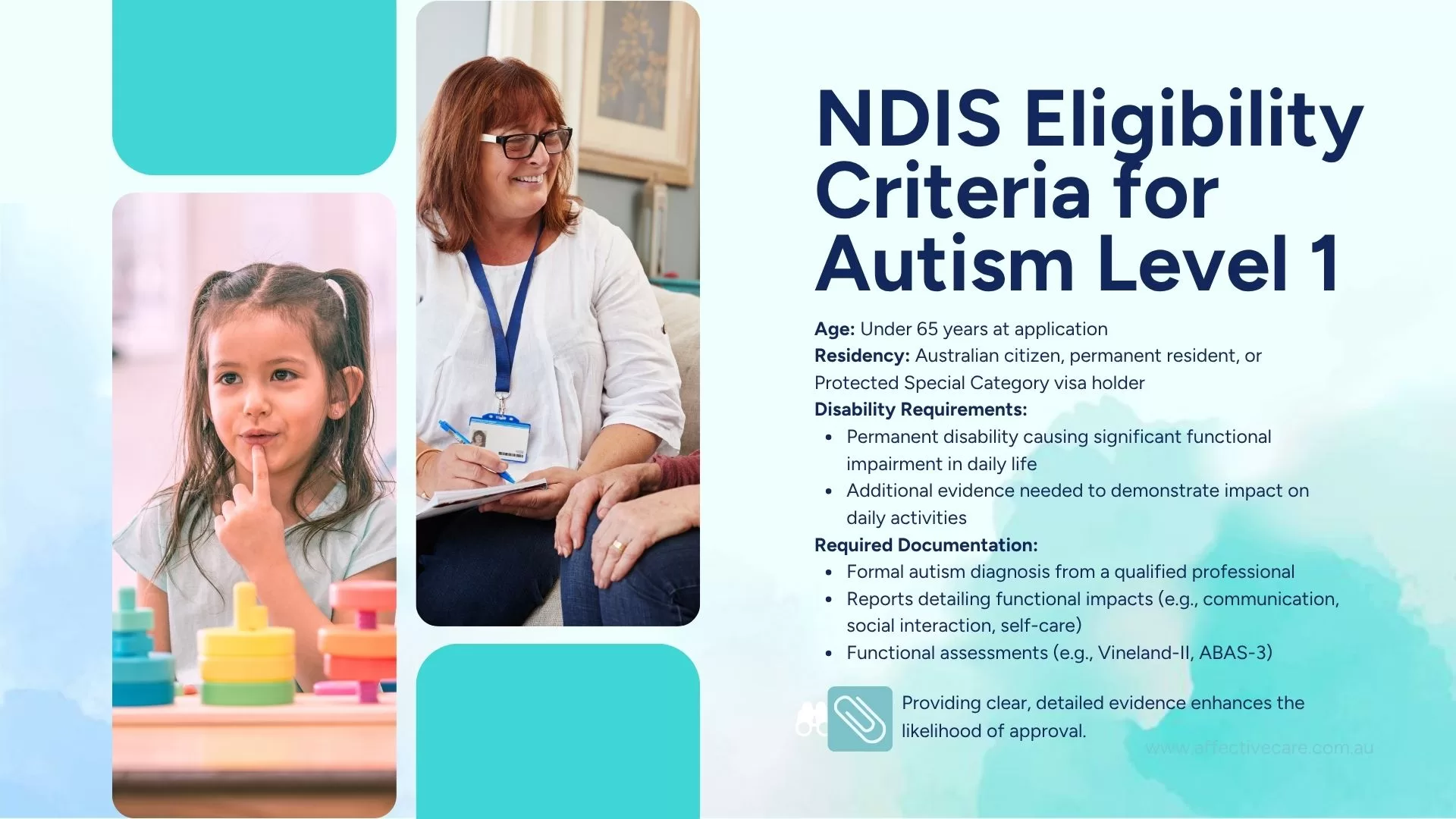
NDIS Eligibility Criteria for Autism Level 1
To access NDIS funding for Autism Level 1, individuals need to meet several eligibility criteria.
The NDIS looks at how a person’s condition impacts their ability to function in daily life, not just the diagnosis itself.
Here’s what’s generally required:
- Age: You must be under 65 years old when applying.
- Residency: You must be an Australian citizen, permanent resident, or hold a Protected Special Category visa.
- Disability Requirements: You need to show that your disability is likely to be permanent and affects your ability to take part in everyday activities.
For Autism Level 1, eligibility often depends on how clearly the challenges are explained. This includes:
- A formal diagnosis of autism from a qualified health professional (e.g., paediatrician, psychologist, or psychiatrist).
- Reports that show how Autism Level 1 affects your daily life, for example, social skills, communication, or managing tasks.
- Functional assessments, such as the Vineland or ABAS-3, to support your case.
If the person’s support needs are more substantial across communication, daily living, behaviour, sensory regulation or social participation, you may also want to read our guide to NDIS Funding for Autism Level 2 for a clearer explanation of higher support needs and possible NDIS-funded supports.
NDIS Autism Diagnosis Requirements
Understanding the NDIS autism diagnosis requirements can help applicants provide stronger evidence.
A formal diagnosis is important, but the NDIA also considers whether autism causes permanent functional difficulties in daily life.
Evidence may come from psychologists, psychiatrists, paediatricians, occupational therapists or speech pathologists.
Useful documents may include:
- Autism diagnostic reports
- Functional assessments such as Vineland-3 or ABAS-3
- Occupational therapy, psychology or speech pathology reports
- Evidence from family, carers, education or employment providers
Reports should clearly explain what the person cannot do independently, what support is required and how often it is needed.
Meeting the NDIS autism diagnosis requirements does not guarantee access. Eligibility depends on how autism affects everyday functioning and the person’s ongoing need for support.
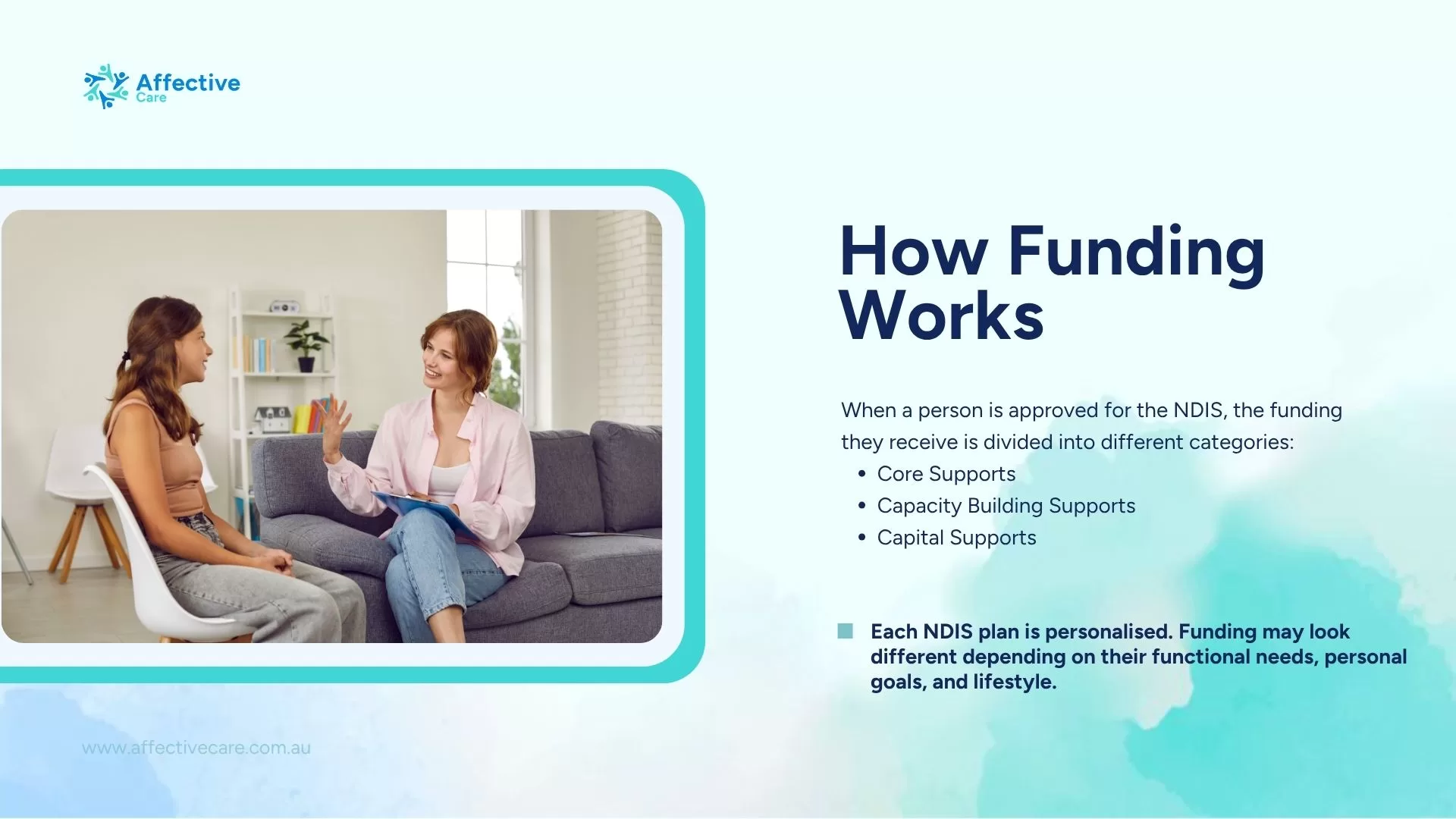
How NDIS Funding Works for Autism Level 1
When a person is approved for the NDIS, the funding they receive is divided into different categories.
These categories are designed to support a person’s daily life, long- term goals, and wellbeing.
For people with Autism Level 1, funding is tailored based on their individual needs and how their condition affects their life.
Here’s a quick overview of the main funding categories:
Core Supports
Helps with everyday activities such as:
- Personal care
- Daily routines
- Community participation
- Transport to appointments or programs
Capacity Building Supports
Focuses on building independence and skills. This might include:
- Speech therapy
- Occupational therapy
- Social skills training
- Support with emotional regulation or relationships
Capital Supports
Provides funding for equipment or home modifications, such as:
- Assistive technology (e.g., sensory tools)
- Communication devices
- Minor changes at home for accessibility
Each NDIS plan is personalised. That means even if someone has the same diagnosis, their funding may look different depending on their functional needs, personal goals, and lifestyle.
If you are checking whether autism or another condition may be recognised under the Scheme, our NDIS List of Disabilities starting with A can help you explore related disabilities and access considerations.
NDIS Funding Amount for Autism Level 1
The most-searched question, “ndis funding autism level 1 amount” has no fixed answer, and any site quoting you a standard figure is guessing.
Plans are built from individual goals and assessed functional need, so two people with Level 1 autism can receive very different funding. What we can say honestly:
- Level 1 plans are typically capacity-building focused; therapy supports such as psychology, occupational therapy, speech therapy and social skills programs, rather than large daily-support budgets
- The evidence determines the envelope; plans track what functional assessments demonstrate, which is why thorough reports matter more at Level 1 than any other level
- Funding changes with life stage; school transitions, entering work, and moving out of home are all legitimate triggers for reviewing supports
For autism level 1 adults, the same logic applies with a different emphasis: plans commonly fund psychology (including telehealth), executive-functioning support through OT, and community participation and adult diagnosis is no barrier to applying, provided the functional evidence is current.
For the full eligibility-to-funding pathway at any age, start with our complete guide to autism and the NDIS.
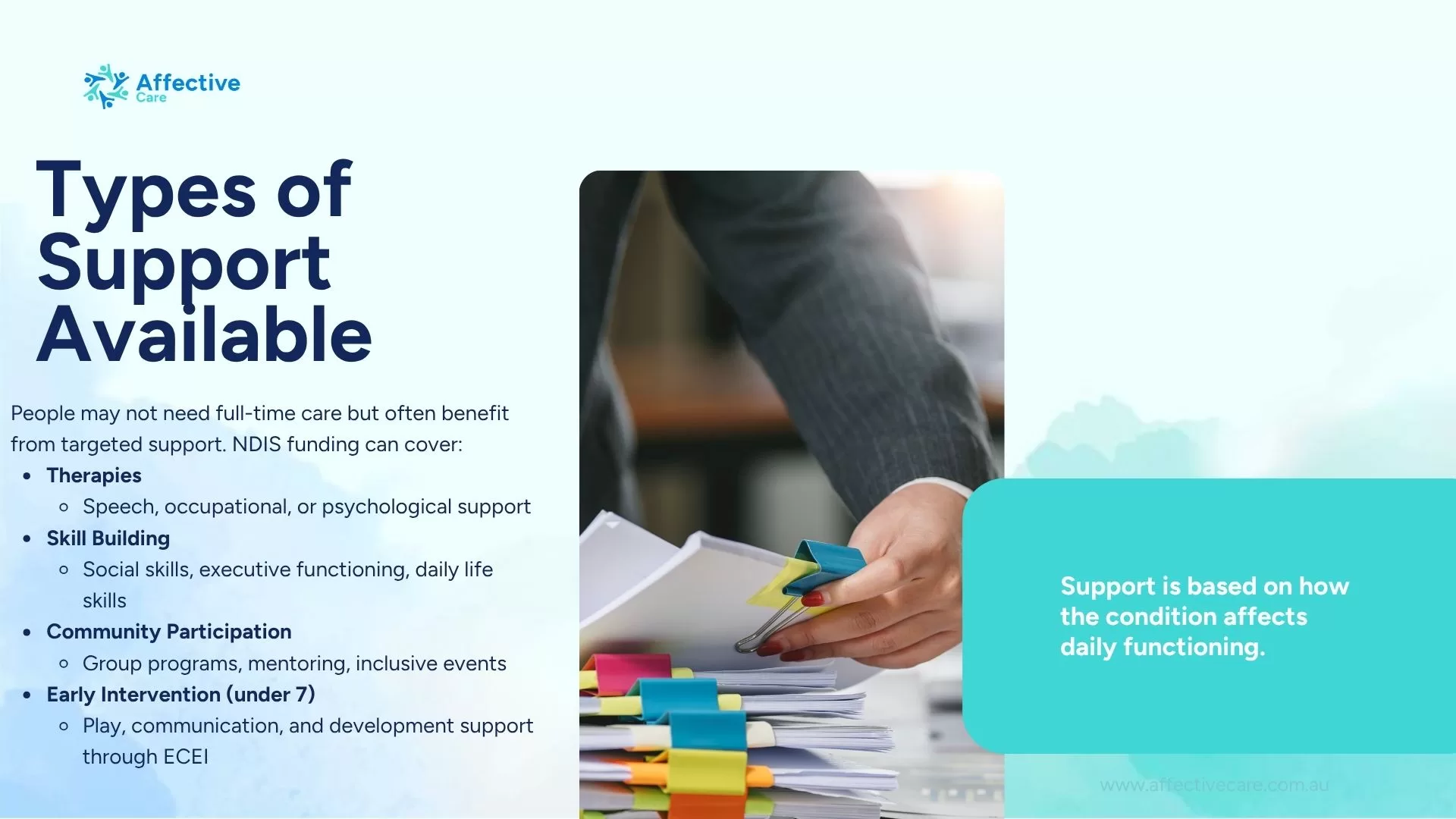
Types of Supports Available for Autism Level 1
People living with Autism Level 1 may not need round-the-clock care, but they often benefit from targeted supports to help with independence, confidence, and everyday life.
Through the NDIS, individuals can access a wide range of services that are designed to match their specific goals and challenges.
Here are some examples of funded supports:
Therapies and Interventions
- Speech therapy to support communication and language skills.
- Occupational therapy for routines, sensory regulation, and life skills.
- Psychology or counselling to manage emotions, anxiety, and behaviour.
Skill Development
- Programs that improve social interaction and build confidence.
- Coaching in executive functioning (e.g., time management, planning).
- Support with independent living skills such as cooking or budgeting.
Social and Community Participation
- Group activities or structured programs to build friendships.
- Mentoring or peer support to feel more connected and engaged.
- Access to inclusive events and community groups.
Early Childhood Support for Children Under 9
The NDIS early childhood approach supports children younger than 9 who have a disability or developmental delay.
Children younger than 6 with developmental concerns may also receive early connections and support without needing a formal diagnosis.
Support may include:
- Building communication, play and developmental skills
- Helping families use strategies within everyday routines
- Connecting children with community and mainstream services
- Supporting participation at home, preschool, school and in the community
- Identifying whether an application to the NDIS may be appropriate
Furthermore, for individuals who may benefit from structured behavioural strategies, our Positive Behaviour Support therapy service focuses on understanding the underlying causes of behaviour and developing practical, person-centred plans that promote safety, independence, and emotional wellbeing.
Autism Level 1 Treatment and Ongoing Support
The phrase Autism Level 1 treatment is commonly searched, but autism is not an illness that needs to be cured.
Support usually focuses on reducing barriers, developing practical skills, improving wellbeing and helping the person participate in daily life in a way that respects their identity and preferences.
Autism Level 1 treatment and support may involve:
- Occupational therapy for sensory regulation, routines and daily living skills
- Psychology for emotional regulation, anxiety, coping strategies or relationships
- Speech pathology for social communication and functional communication needs
- Positive Behaviour Support where behaviours of concern significantly affect safety or participation
- Executive functioning strategies for planning, organisation and task completion
- Employment-related capacity building and workplace preparation
- Parent or carer education for children and young people
- Assistive technology or visual supports for routines and communication
Not every therapy or service will be funded by the NDIS. A support must address the person’s disability-related functional needs and meet the relevant NDIS funding criteria.
Clinical diagnosis and medical treatment remain the responsibility of the health system.
The most appropriate autism support Level 1 approach should be individualised, neurodiversity-affirming and connected to meaningful goals identified by the participant.
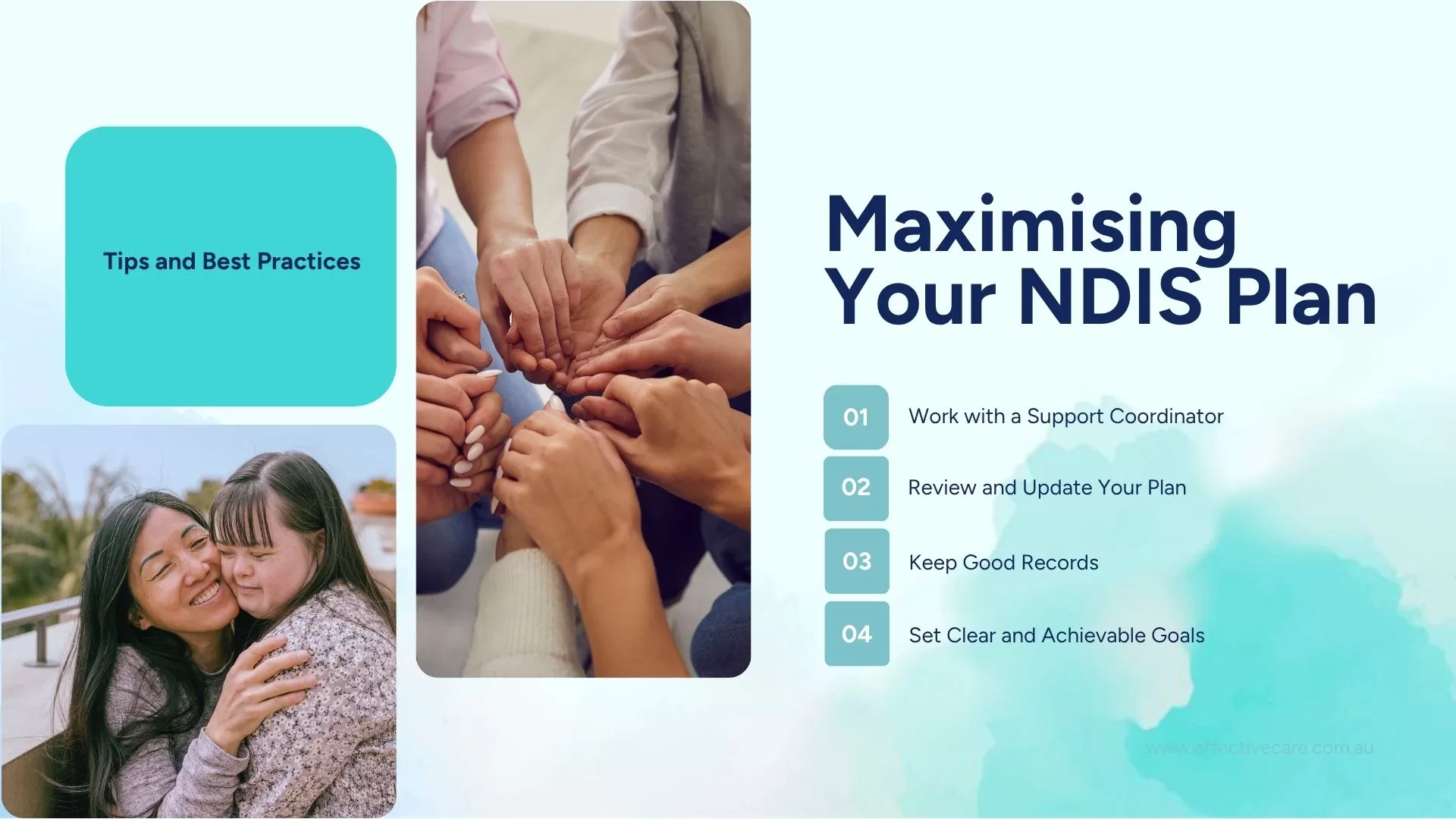
Maximising Your NDIS Plan: Tips and Best Practices
To get the most out of your NDIS funding for Autism Level 1, it’s important to plan well, stay informed, and keep your goals front and centre.
Many people find that small steps make a big difference in how useful their plan becomes.
Here are some tips to help you maximise your NDIS plan:
Moreover, some people living with autism Level 1 may benefit from Positive Behaviour Support when behaviours significantly affect daily functioning.
Learn how to apply for PBS funding under the NDIS and what supporting evidence may be required.
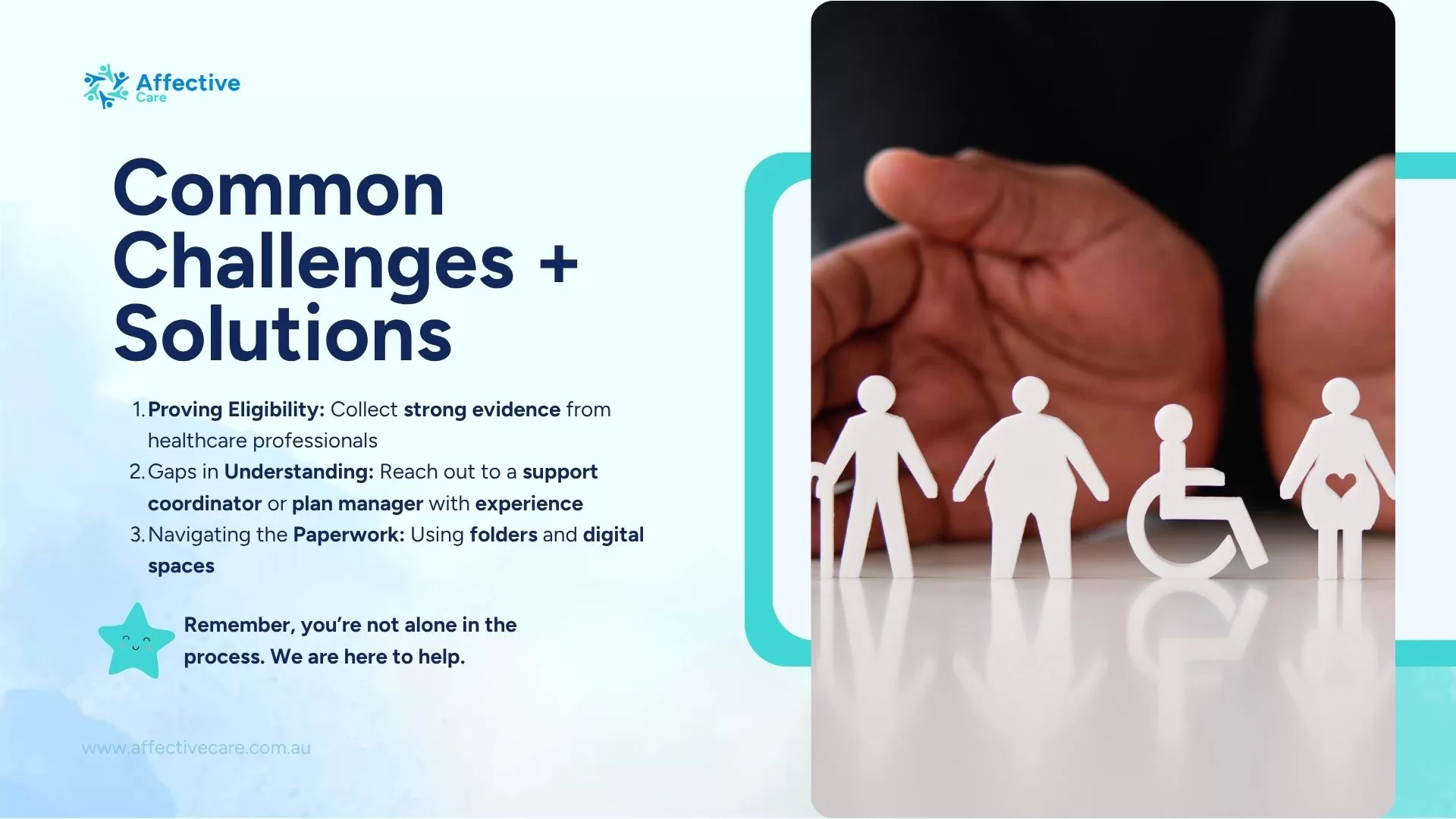
Common Challenges and How to Overcome Them
While the NDIS offers valuable support, people living with Autism Level 1 may still face challenges when trying to access or manage their funding.
These obstacles can feel frustrating, but there are ways to overcome them.
Challenge 1: Proving Eligibility
Autism Level 1 is often described as “mild autism”, which can make it harder to show how it impacts daily life.
Solution
- Collect strong evidence from healthcare professionals, including reports from psychologists, occupational therapists, or speech pathologists.
- Focus on how autism affects functional capacity; not just the diagnosis.
Challenge 2: Gaps in Understanding
Some families or even professionals may not fully understand how the NDIS applies to Level 1 autism.
Solution
- Reach out to a support coordinator or plan manager with experience in autism and NDIS.
- Connect with advocacy organisations or local NDIS partners for advice.
Challenge 3: Navigating the Paperwork
NDIS processes can be overwhelming, especially during planning or reviews.
Solution:
- Keep everything organised in one folder or digital space.
- Ask providers to give clear, goal-related reports.
- Don’t hesitate to ask questions; support is available.
Conclusion & Resources
Understanding NDIS funding for Autism Level 1 is essential for people living with autism and their families.
Knowing your eligibility, available supports, and how to manage your plan can make a big difference in achieving your goals.
Take time to plan carefully, ask for help when needed, and keep your goals clear. With the right approach, the NDIS can be a strong partner in your journey.
For more information and support, visit:
- The official NDIS website
- Autism advocacy organisations like Autism Spectrum Australia (Aspect)
- Local support coordinators or NDIS partners in your area
Empower yourself with knowledge and take confident steps toward better support and inclusion.